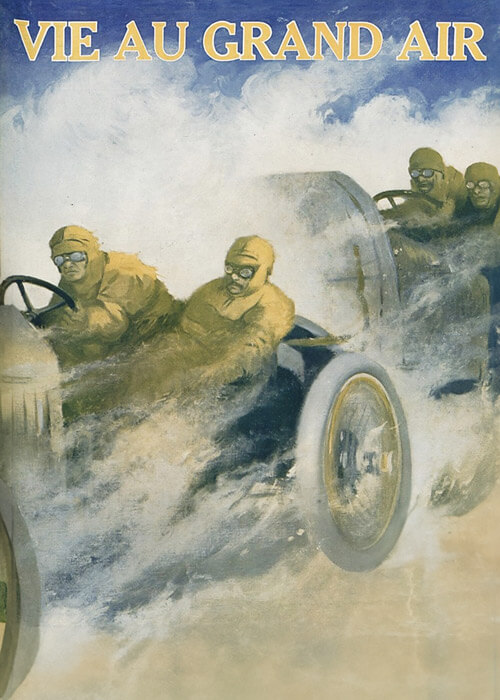
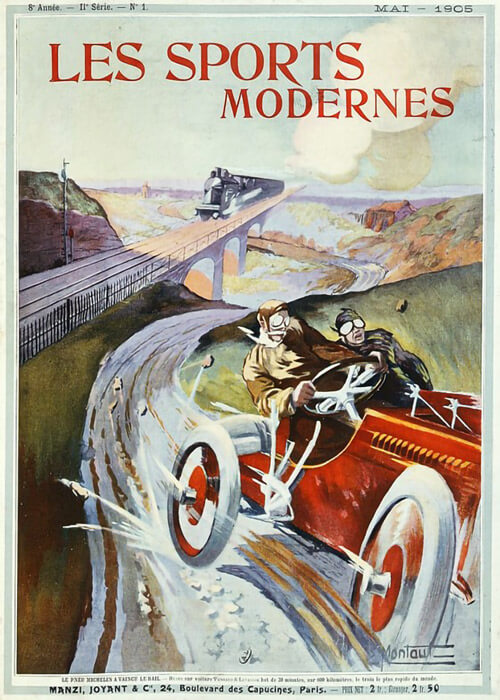
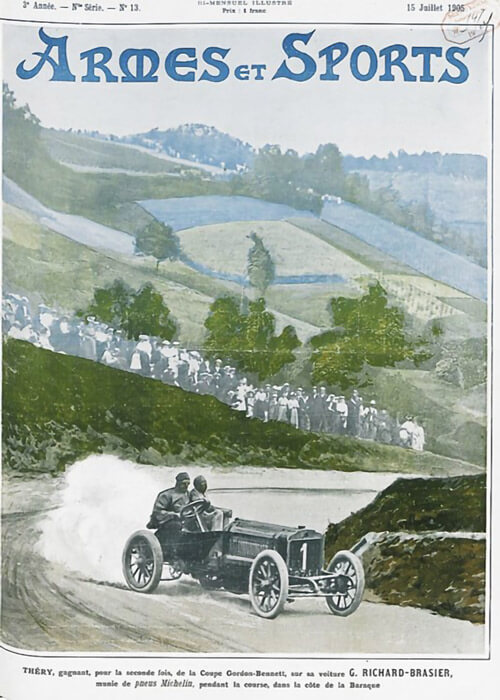
This part covers some (not all) technological innovations, that proved to be influencial on cars during the years 1895 to 1929.
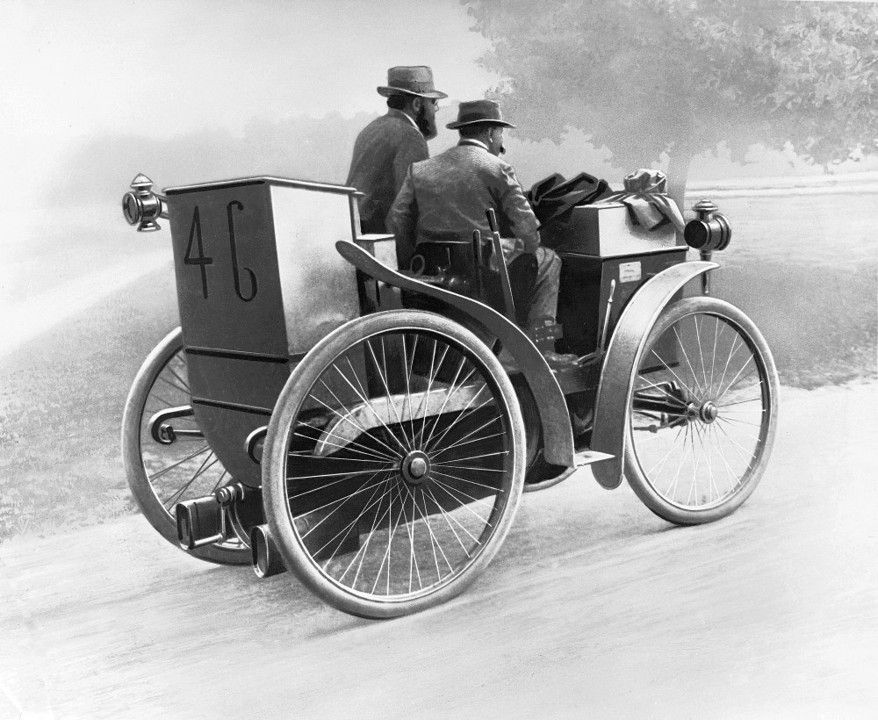
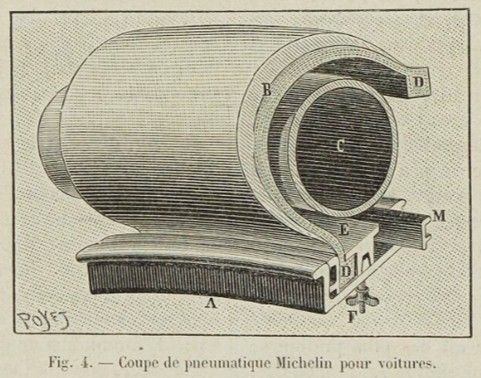
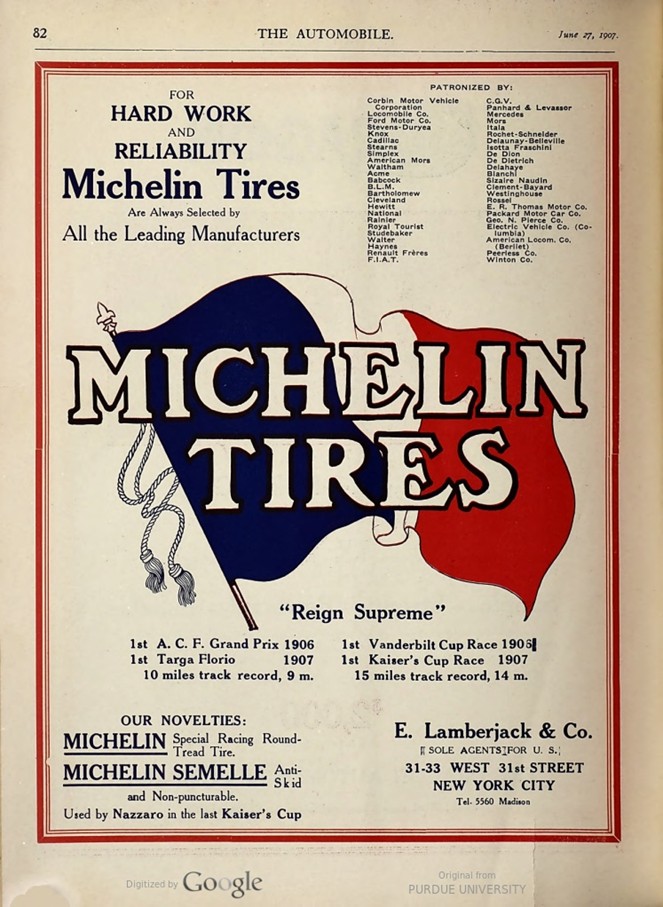
Starting with the 1895 first ever pneumatic tyres of Michelin that were applied in the Paris-Bordeaux race of that year. Only one sans-cheveau, the „l’Éclair“, was equiped with these new tyres. Although it wasn’t a succes, the advantage to the usual wheels of those days was so remarkebly, that these were used again in the Chicago Times Herald Contest later that year.
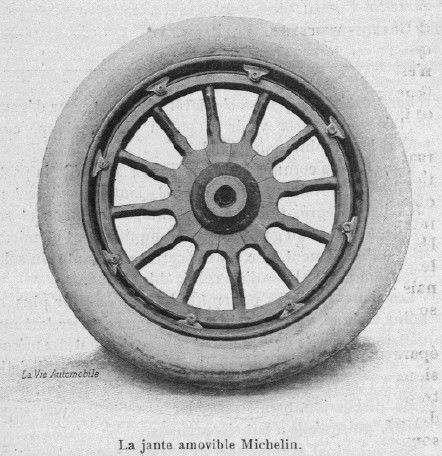
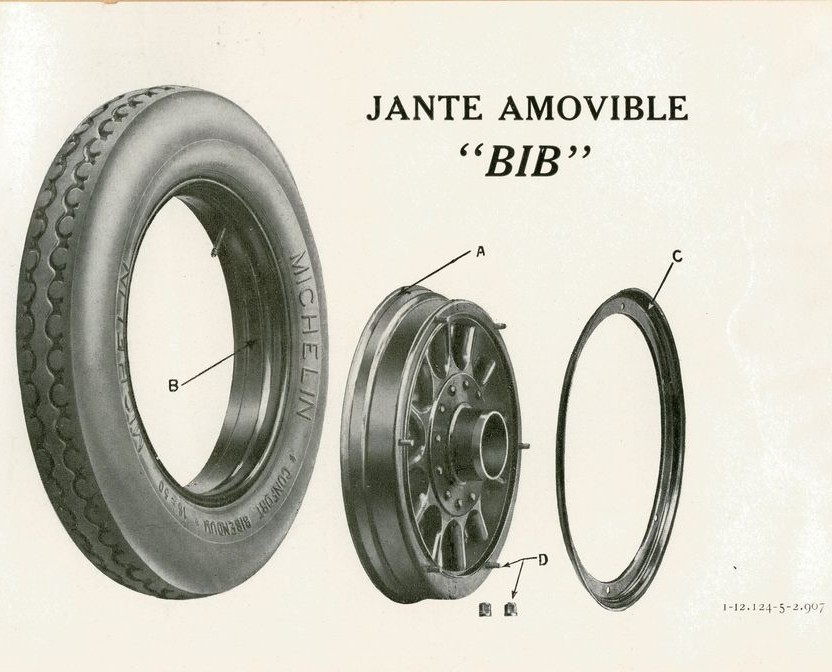
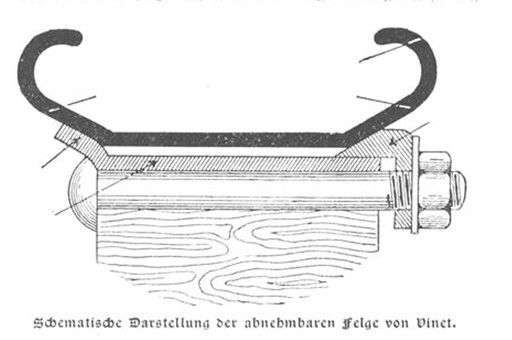
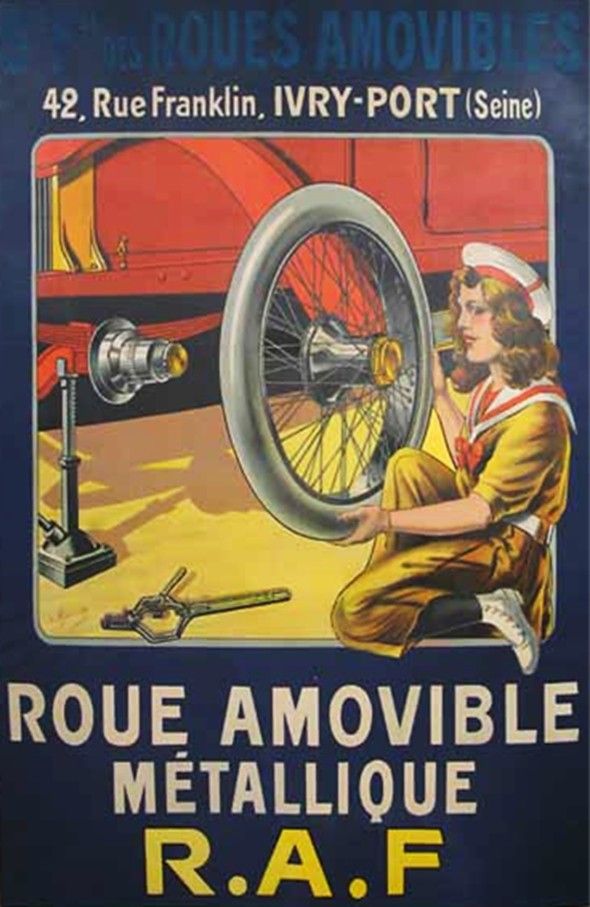
Almost ten years later, detachable rims or „jantes amovibles“ basically ensured the win for Renault in the first Frech Grand Prix in 1906. Now the tyre could easily be changed by means of a steel ring, bolted on the wheel. The up to then common wheels (so called artillery wheels) were still made of wood, on which now the tyre with the steel ring could be detached in comparably short time. Then later, around 1912, detachable wheels found their application, one can say: again, in the form of all-steel wire wheels with a central locking device. Names of the British Rudge-Whithworth, the French R.A.F. ot the American McCue wired wheels became known.
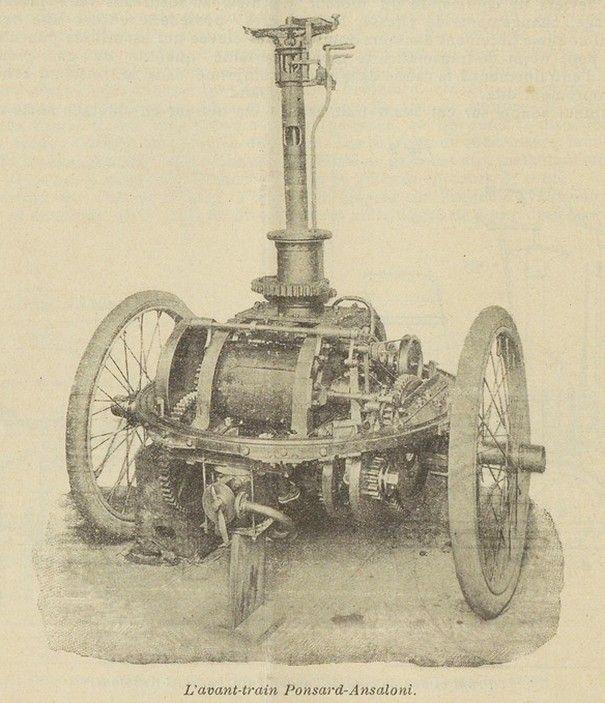
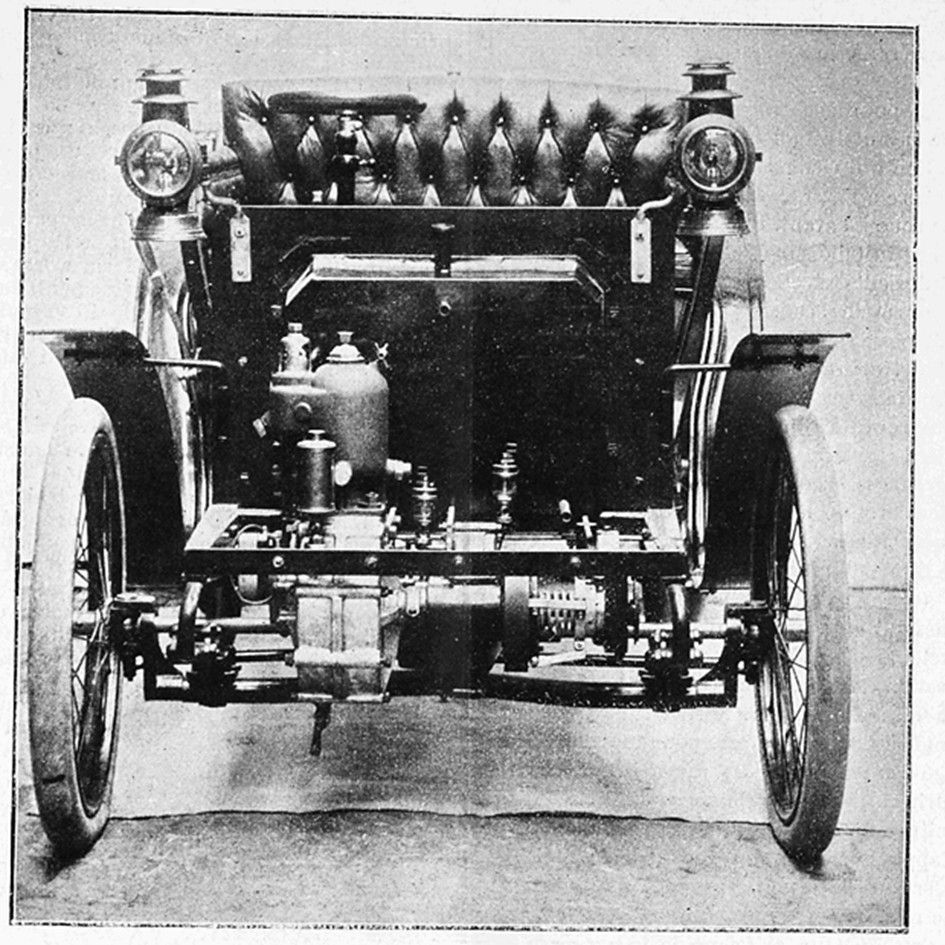
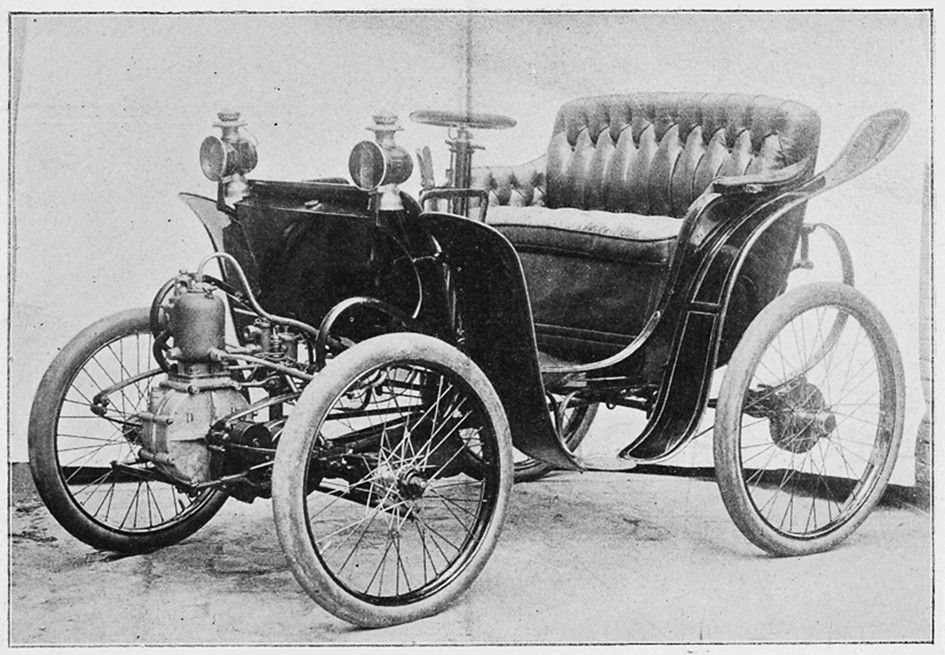
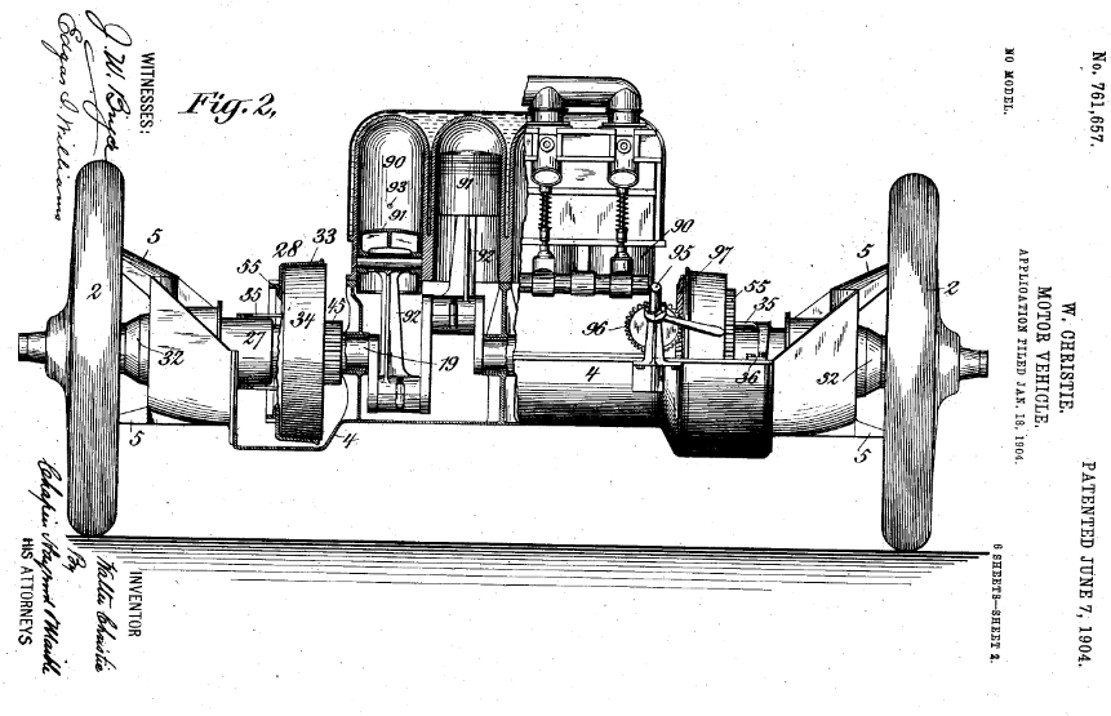
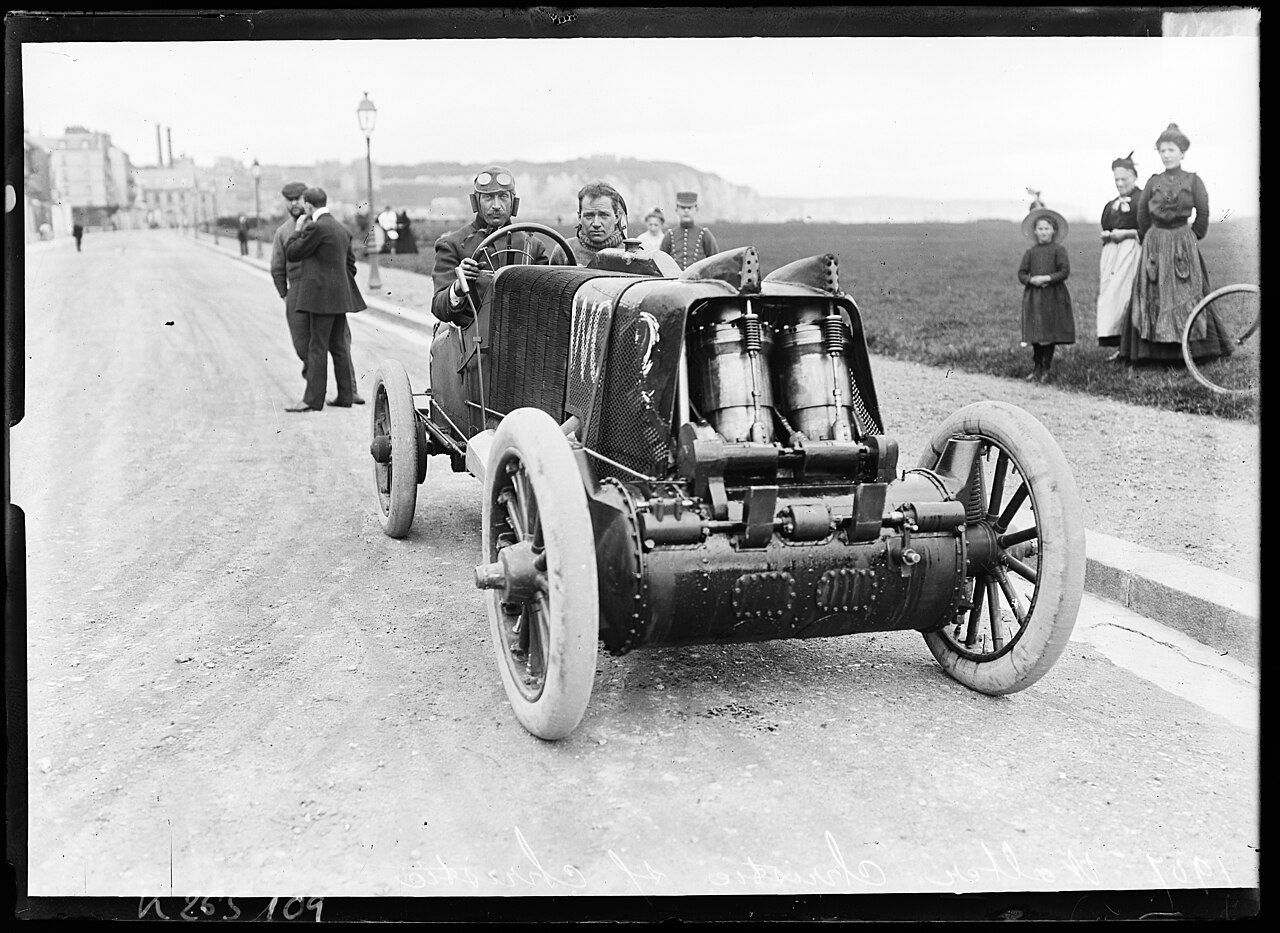
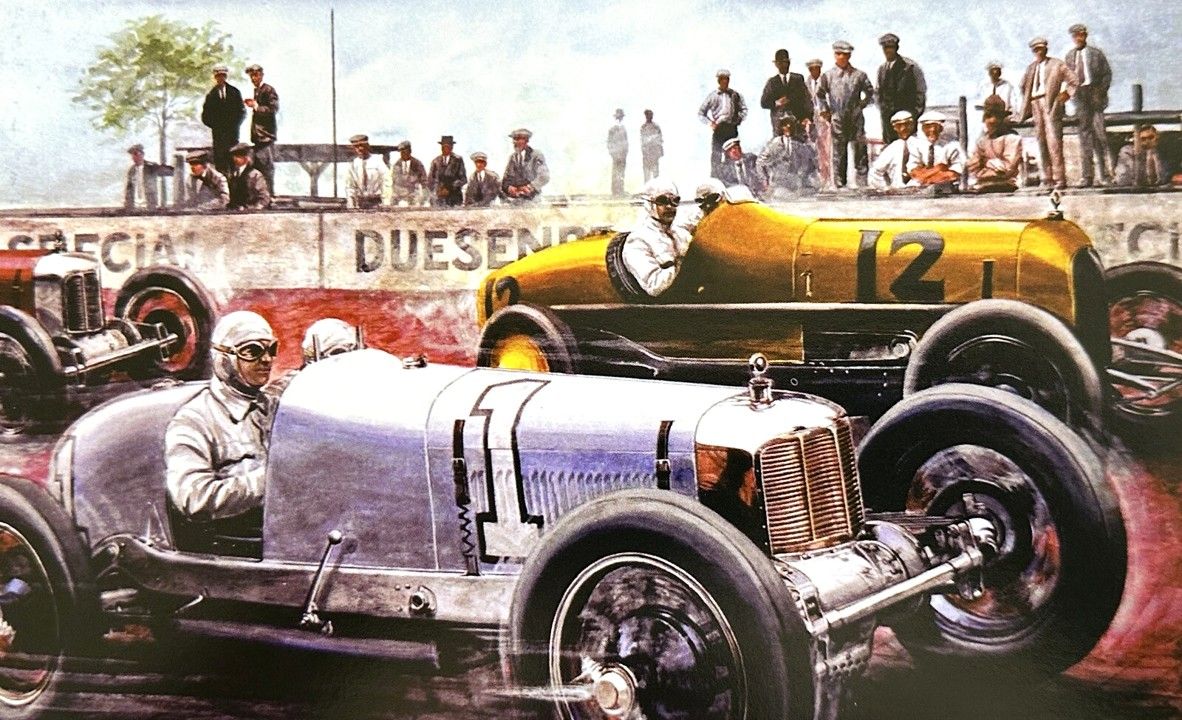
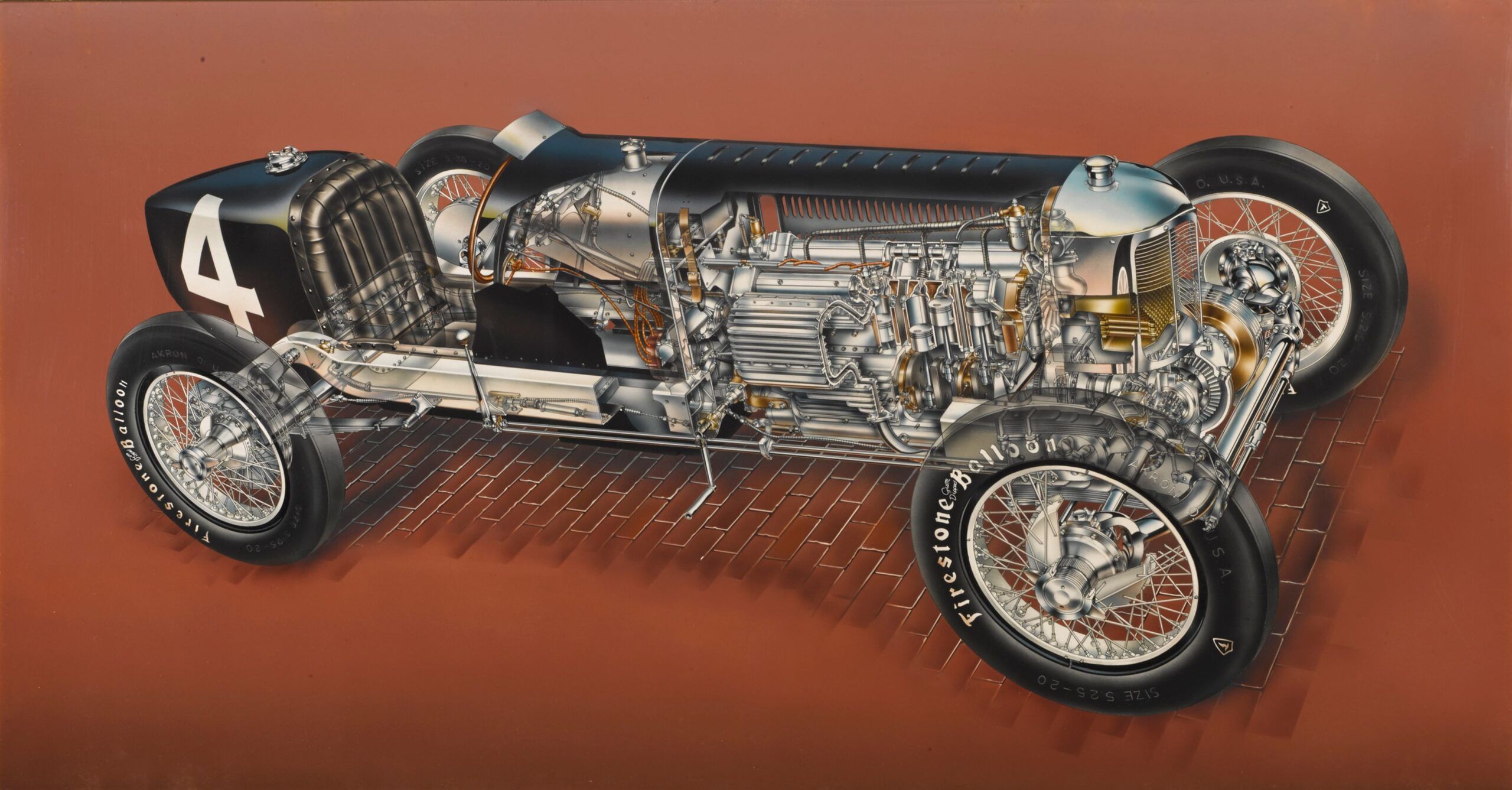
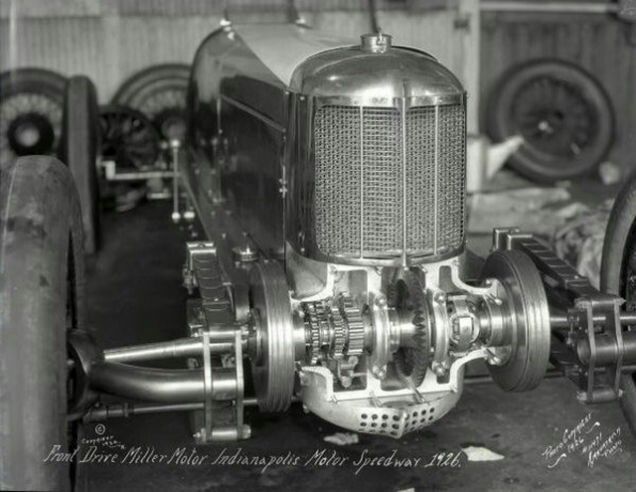
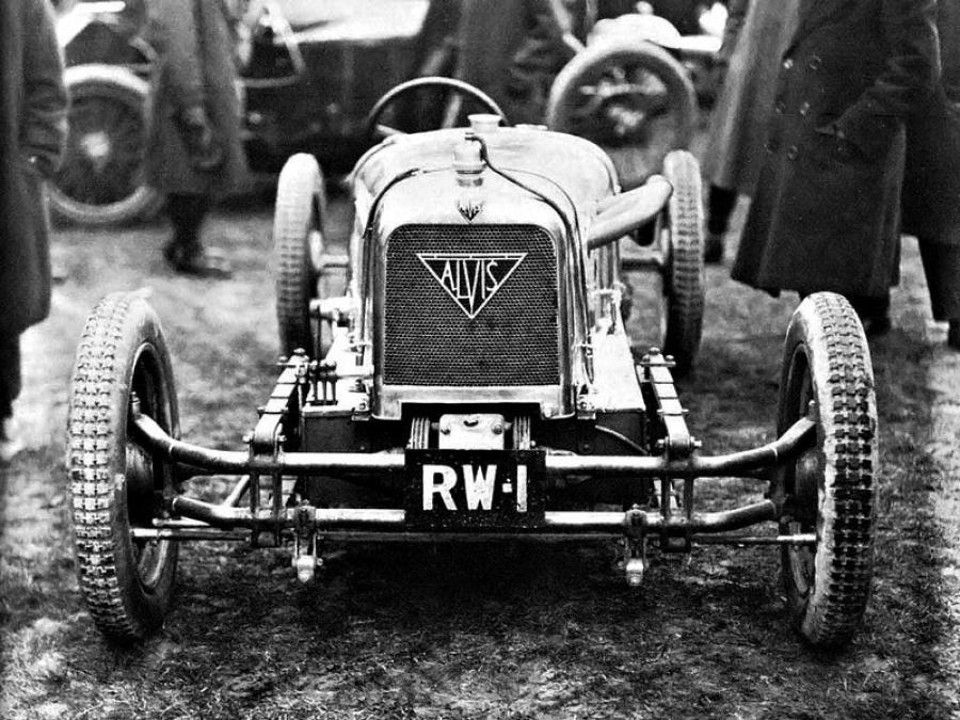
Front-Wheel Drive’s development can be divided in two periods; Pre-war and Post-war. Pre-war FWD’s came as early as 1895 with the Selden Motor Wagon, followed by several French designs and the Austrian Gräf & Stift car in 1898. Then in 1904, a US patent was granted to Walter Christie for an innovative front-wheel drive system. This then is further developed until around 1919. Then it becomes silent around the FWD. After the war, in 1924, Harry A. Miller revived the front-wheel drive with a different system, whichs lead to a year-after-year dominance of his racing cars in American races. Following this, Europe then embraces the advantages of front-wheel drive.
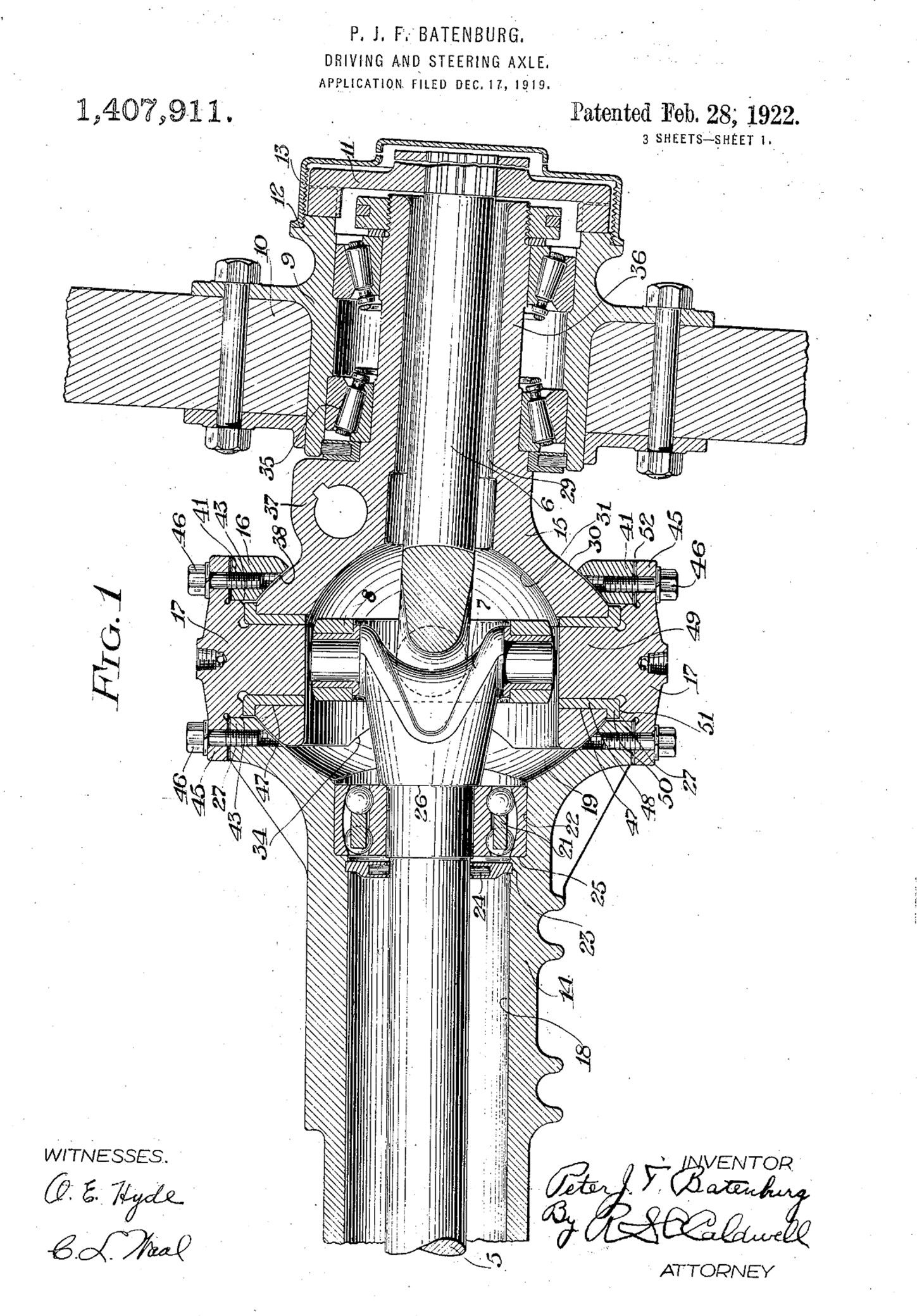
Universal joints and especially constant-velocity joints were a necessity for further developping front-wheel drives to higher vehicle speeds in limited assembly contours.
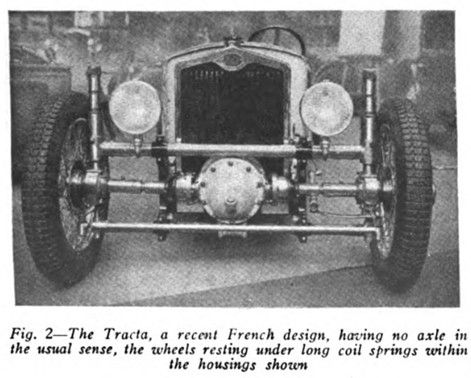
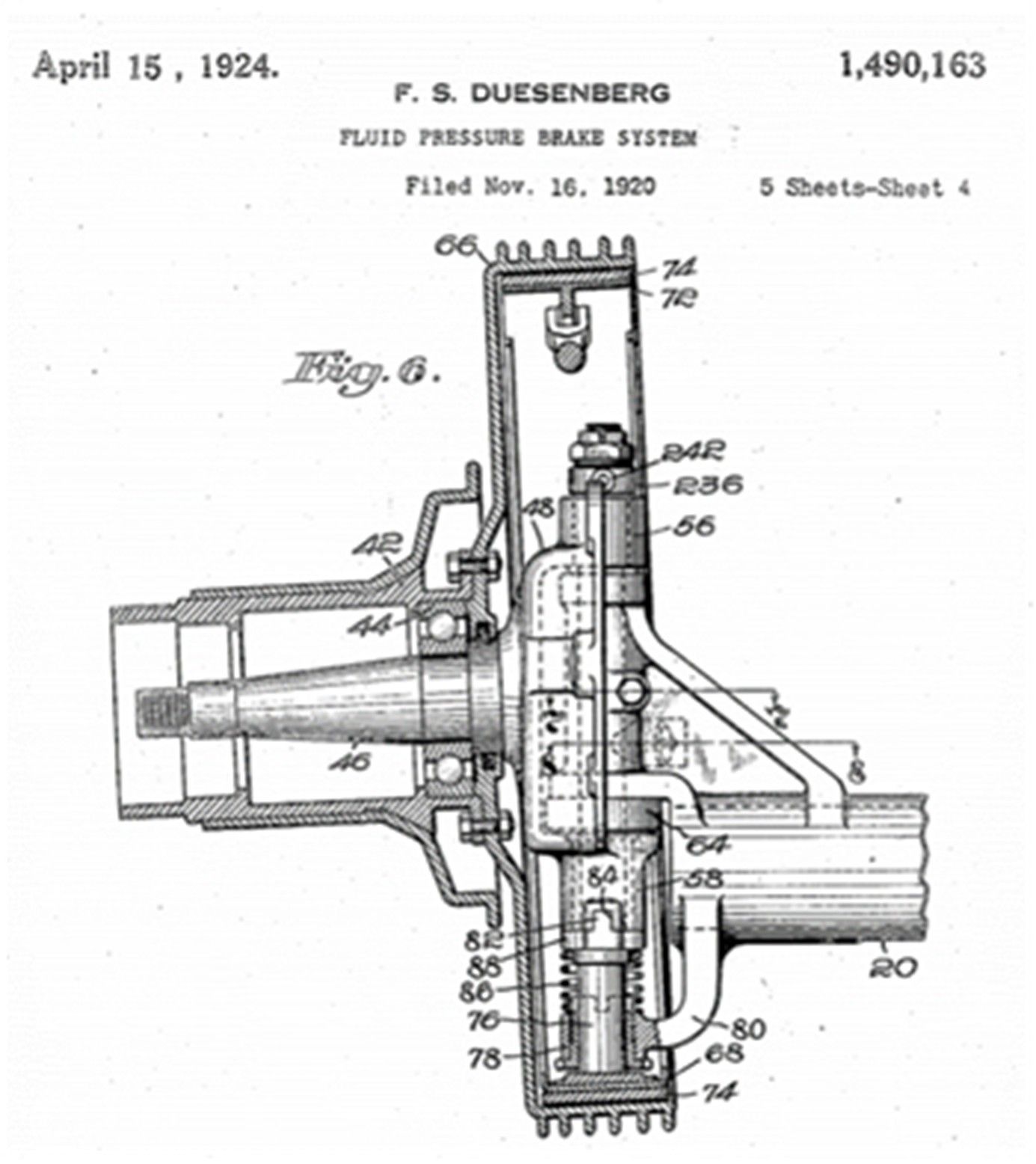
Other new technically features such as four-wheel brakes and hydraulic brakes to reduce lap time on the racing track, as even the road holding improving independent suspensions came to the fore on both sides of the ocean. * 01.01.2026: This page is under construction and it is being extended continuously *
Car Technology
1895 Pneumatic Tyres
- Pneumatique Michelin - La Locomotion automobile, Decembre 1895
- Des bandages pneumatique - La Locomotion automobile, Decembre 1896
1906 Detachable rims - Jantes amovibles
1912 Detachable metallic wheels - Wire wheels
- Introduction and comparison of wheel strength tests - GrocerJack
Front-Wheel Drive - Pre-war
- Voiture a pétrole Lepape - La Locomotion Automobile, 1 August 1896
Front-Wheel Drive - Post-war
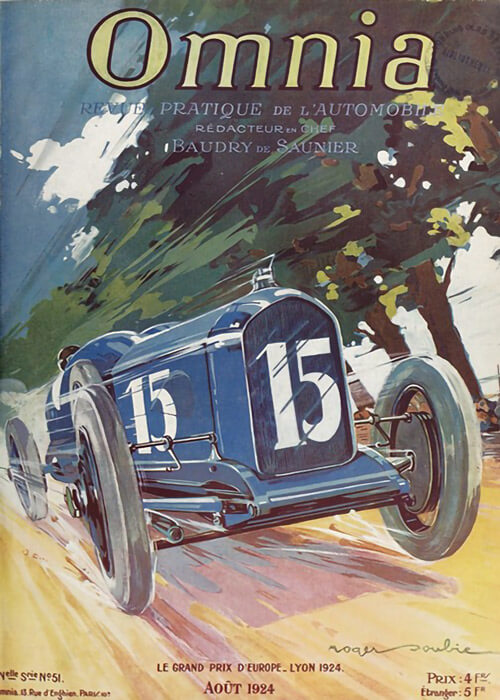
In 1925, the American Miller junior 8 or type 122, was the first postwar application of front-wheel drive on racing cars, after which these ruled the Indianapolis series over many years. Others, on both sides of the ocean would follow later.
- Front-Wheel Drive - Post-war - a short summary - GrocerJack
Universal and CV-Joints
- Universal joints and cv-joints - a short summary - GrocerJack
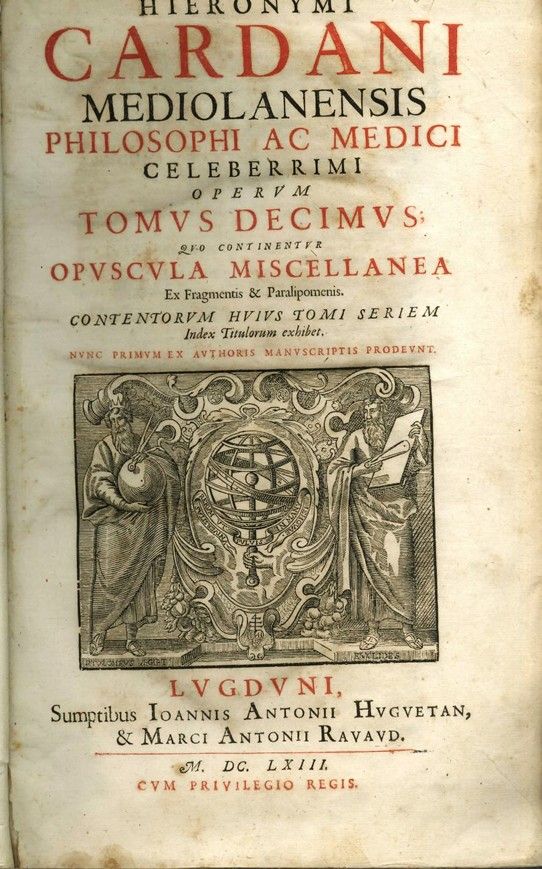
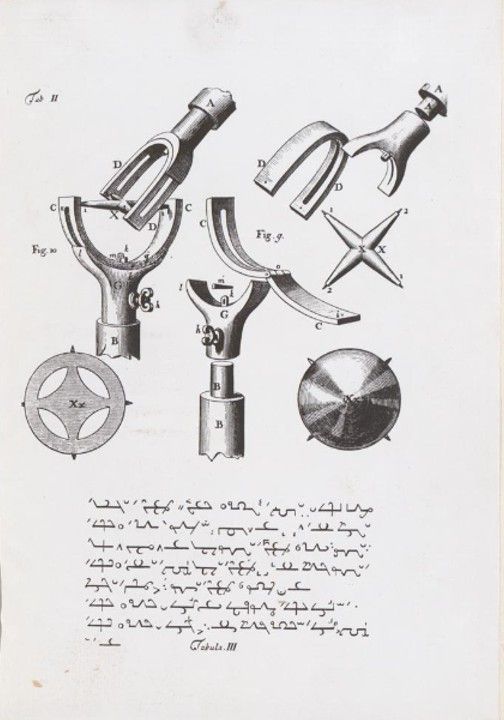
- Celeberrimi Operum Tomus Decimus Opuscula Miscellanea - Cardanus, 1663
- A Description of Helioscopes and some other instruments - Robert Hooke, 1676
- Cours de Mécanique, appliquée aux Machines - Jean-Victor Poncelet, 1874
- Application and Construction of universal Joints I - Journal SAE, 1926
- Application and Construction of universal Joints II - Journal SAE, 1926
- Le Joint Spicer-Glaenzer - La Vie automobile, January 1927
- Weiss Universal Joints Redesigned - Automotive Industries, May 1928
- Rzeppa Universal Joint 40 Degr. Angularity - Automotive Industries, May 1928
1924 Front-Wheel Drive
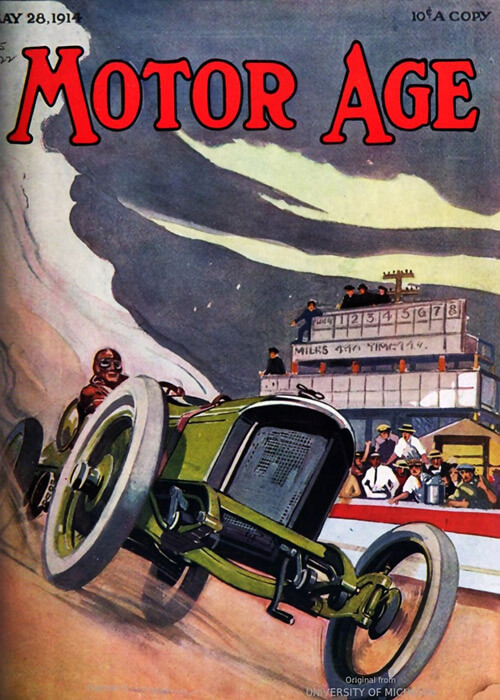
- The Acme of Racing Efficiency - 12 February 1914
Four-Wheel Braking - Post-war
can we here hve some text concerning the items, discussed under this chapter? and writing along, what does that do to this text? No new line possible. Can this text be positioned higher in the field? Aussenabstand Oben und Unten auf 0 verkürzt!!
The Automobile Journal
- The Frontenac Aluminum Racing Car - 10 July 1917
La Vie au Grand Air
- La Victoire de Goux au Grand Prix d'Indianapolis - under construction
Independent Suspension - Post-war
- Les usines G. Derihon - 15 November 1910
- La gagnante du Grand Prix - 31 August 1912