Indianapolis 500 1926 to 1929: There are substitutes for Cubic Inches (Part 1. 1926-1927)
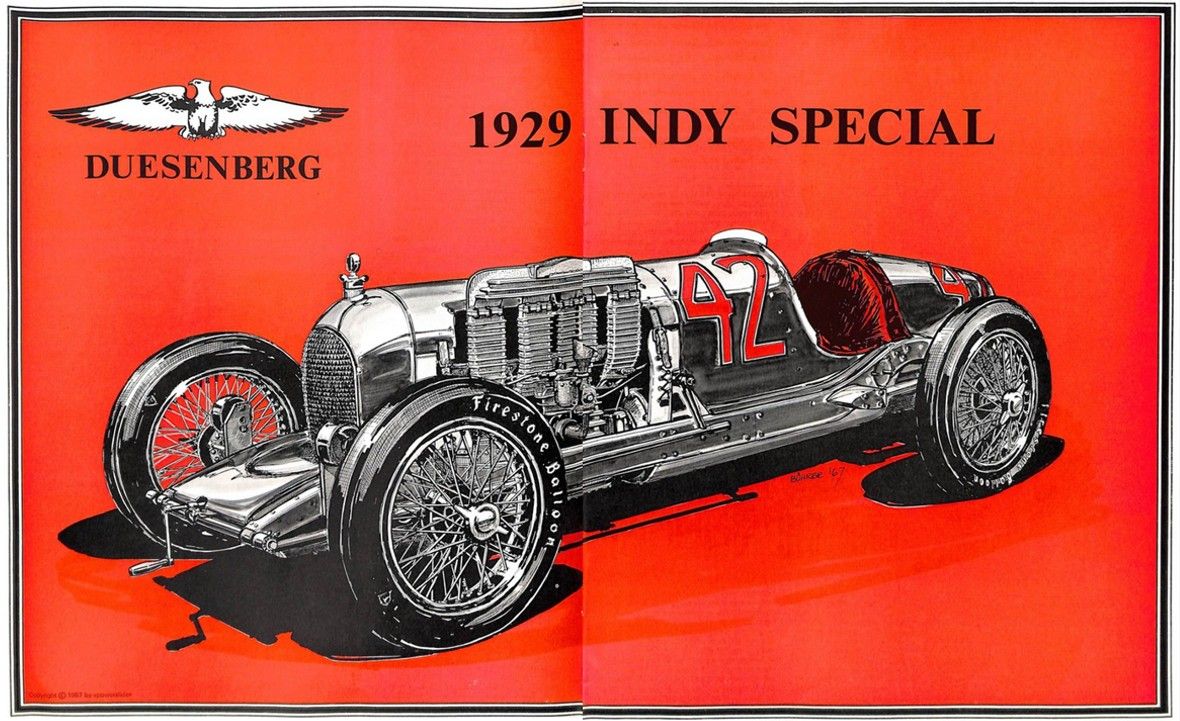
Steps had been made in the two years before, to make the Period 1926-1929 one of the, if not the technical highlights within the History of the Indianapolis 500. Rarely did American heritage racing car technology reach such outstanding levels of ingenuity. Curiously enough this did happen in a period of time that the smallest capacity engines in Indy history were used and when American engineers proved that, unlike the firm belief in later years: they proved that there were substitutes for Cubic Inches. This period of time is named the “Golden Era of the American Racing car”.
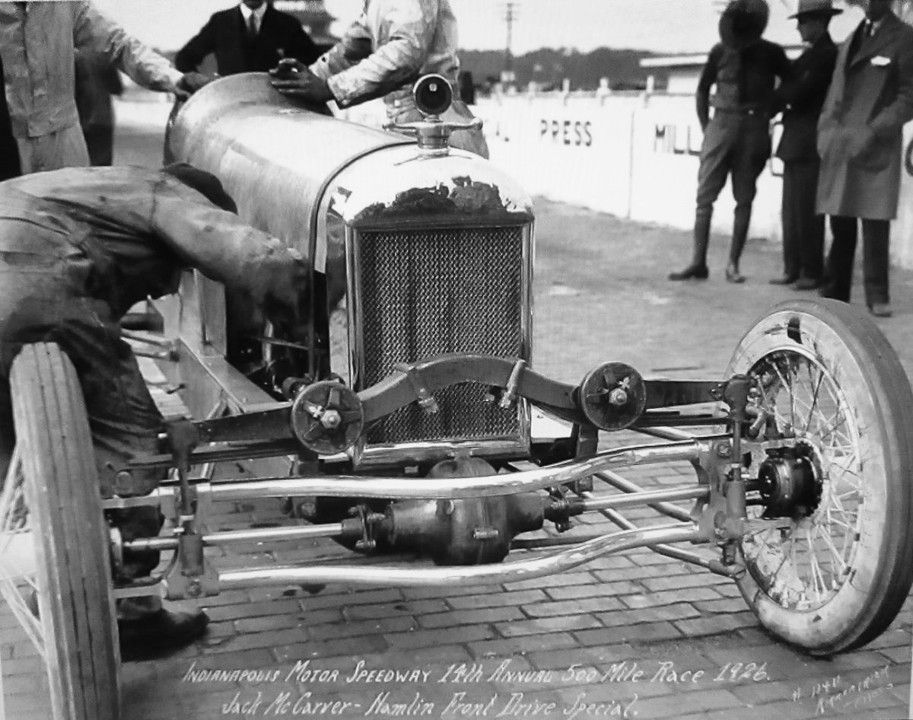
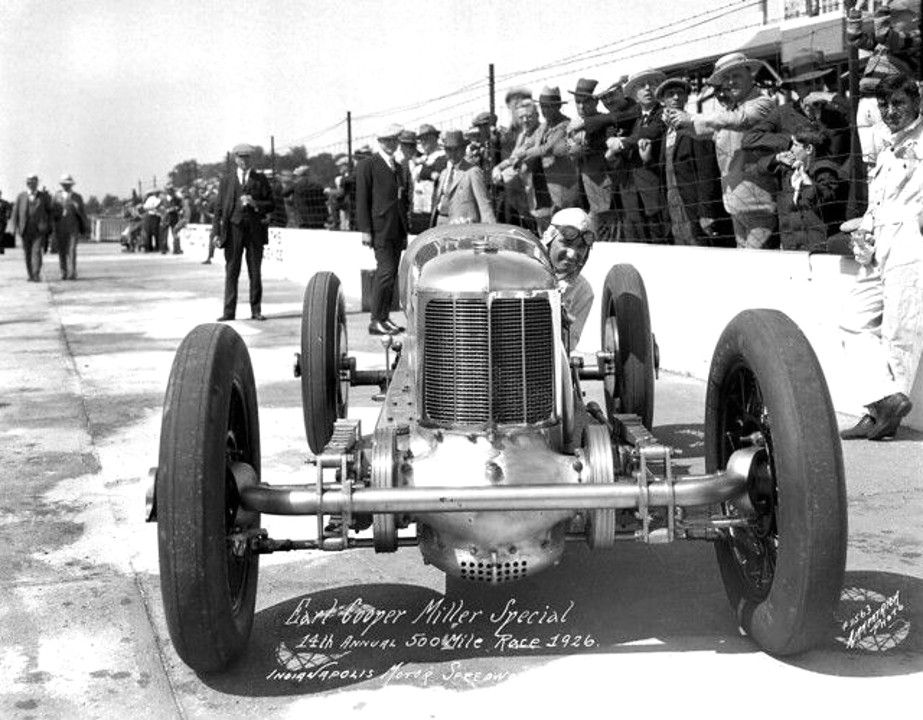
The year 1926 was the first year in which engines were permitted only 1.5 liter or 91CI maximum capacity. The idea was slowing down the cars, by reducing to this capacity after three years of 122 CI engines. But in his first, not completed qualifying attempt of that year, rookie driver Frank Lockhart set a new one-lap track record! Lockhart had arrived at the track that year anticipating a possible ride as relief driver, but when driver Pete Kreis was physically unable to participate, he handed over his Miller to Lockhart. Frank was the outstanding driver that race which had to be ended prematurely due to rain after 400 Miles and he was declared the winner of the first rain shortened “500”. Of the 13 cars flagged off, only Pete de Paolo who was classified 5th , hedid not drive a Miller. And all 28 cars in the race had used the device that was the major alternative on Cubic Inches: a supercharger. Even the lone Fronty-Ford engine in the race was blown. Even more remarkable is another often overlooked detail of that particular car: although no Miller chassis but it was the third front driven car within the field!
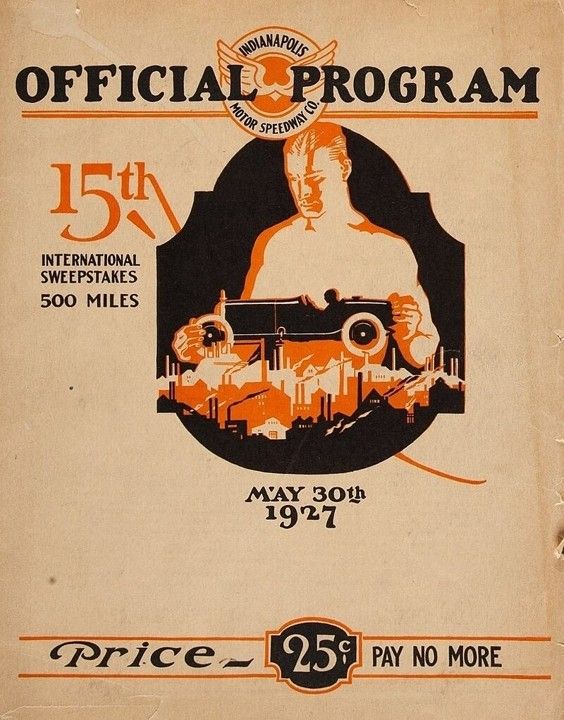
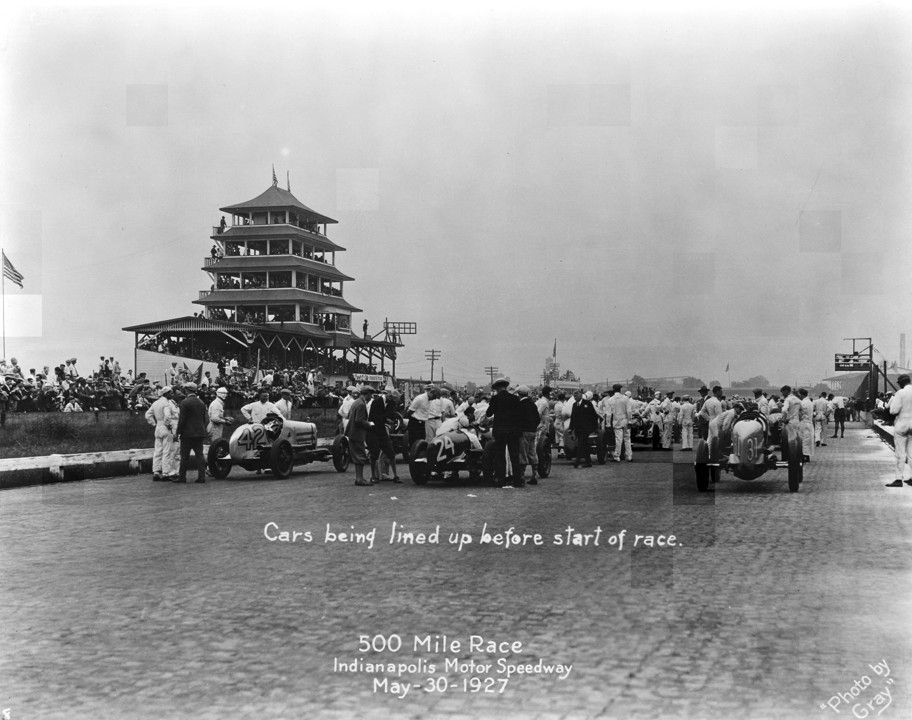
Frank Lockhart was one of the men who proved that even small capacity engines could produce astonishing amounts of power. Apart from being remembered as an Indy winner he made the history books as the engineer who optimized a device named intercooler. This device reduced the temperatures of the air & fuel mixture forced into the cylinders by the supercharger. Millers were outnumbering everything else and hot favorites. Lockhart appeared on making two in a row in the 1927 race until his car failed. In the closing stages of the race, it was George Souders leading the race in a Duesenberg, followed by another Duesy, driven by Shoaff & Stapp. They had two laps to go when the car broke down. Souders won the race with a margin of over 12 minutes, in time the second largest winning margin ever. Maybe the Miller drivers did not have Indy to themselves after all. YKW, 15.04.2026
Indianapolis 500 – 1926-1929
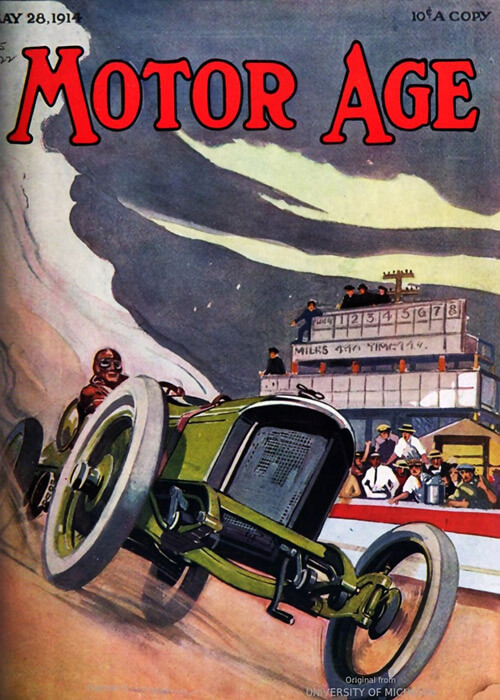
Motor Age (1926 - 1927)
Automotive Industries (1926 - 1927)
Automobile Trade Journal (1926 - 1927)
Omnia, Revue Pratique de l'Automobile
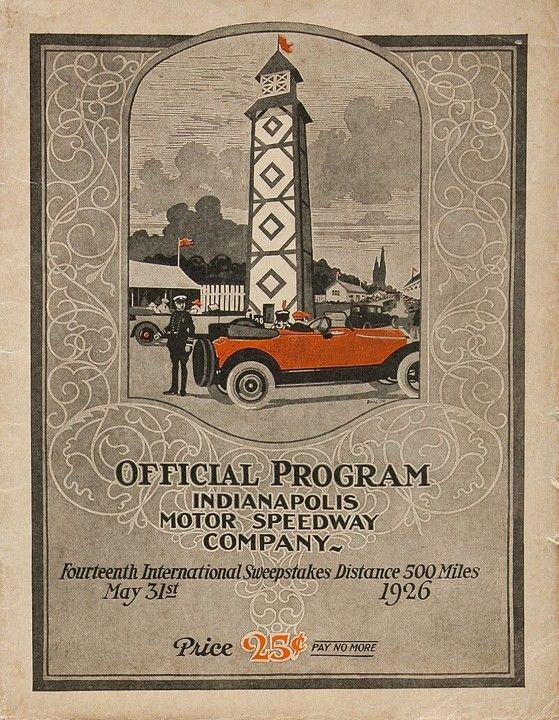
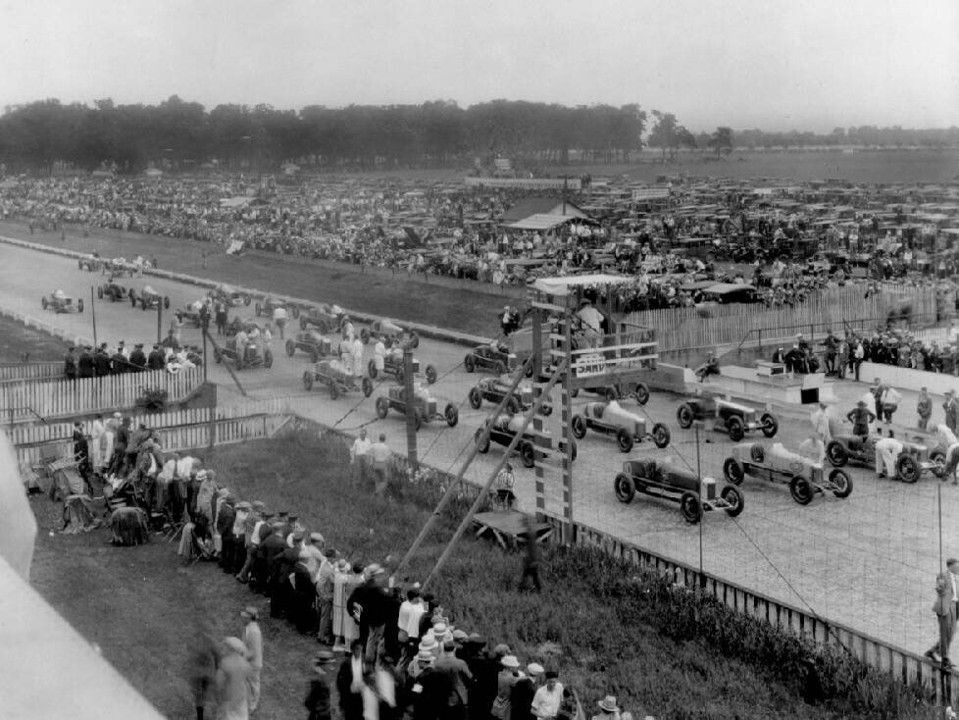
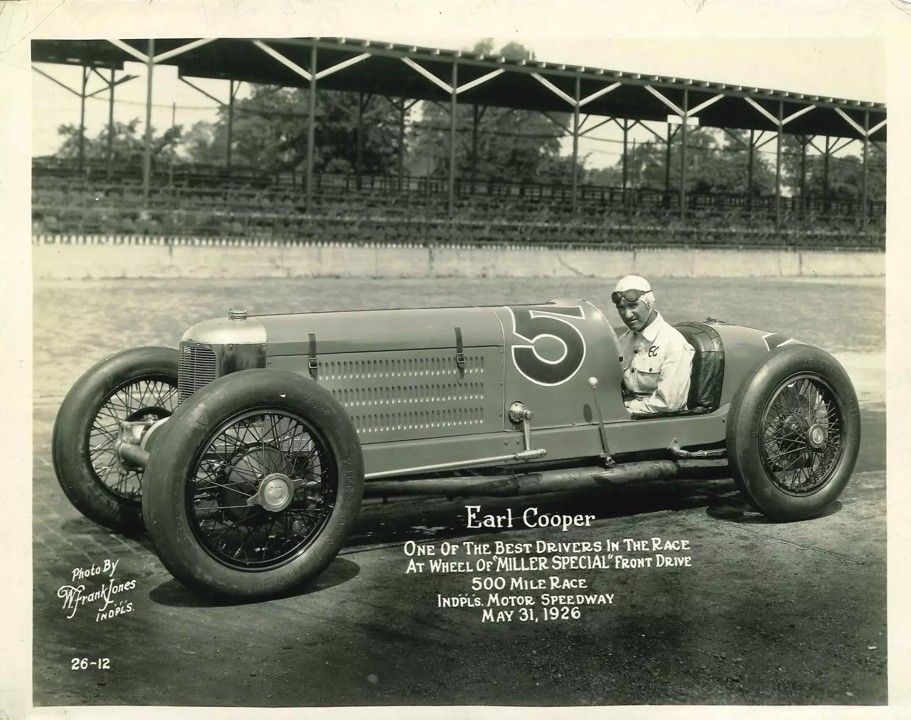


Indianapolis 500 1926 to 1929: There are substitutes for Cubic Inches (Part 2, 1928-1929)
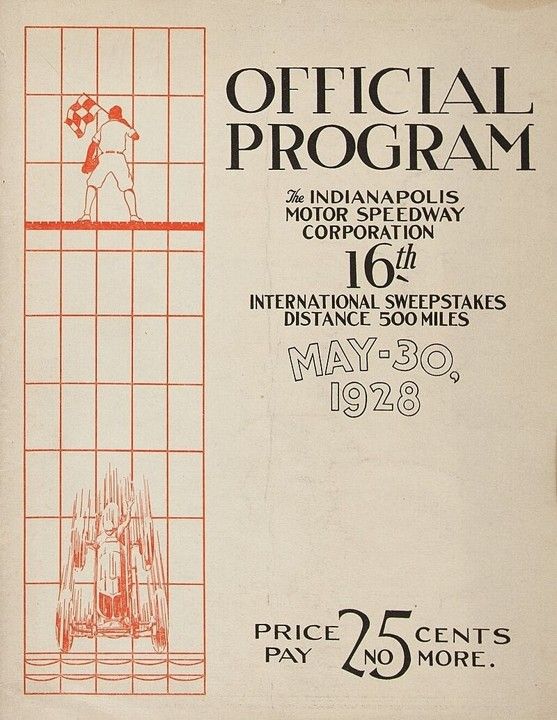
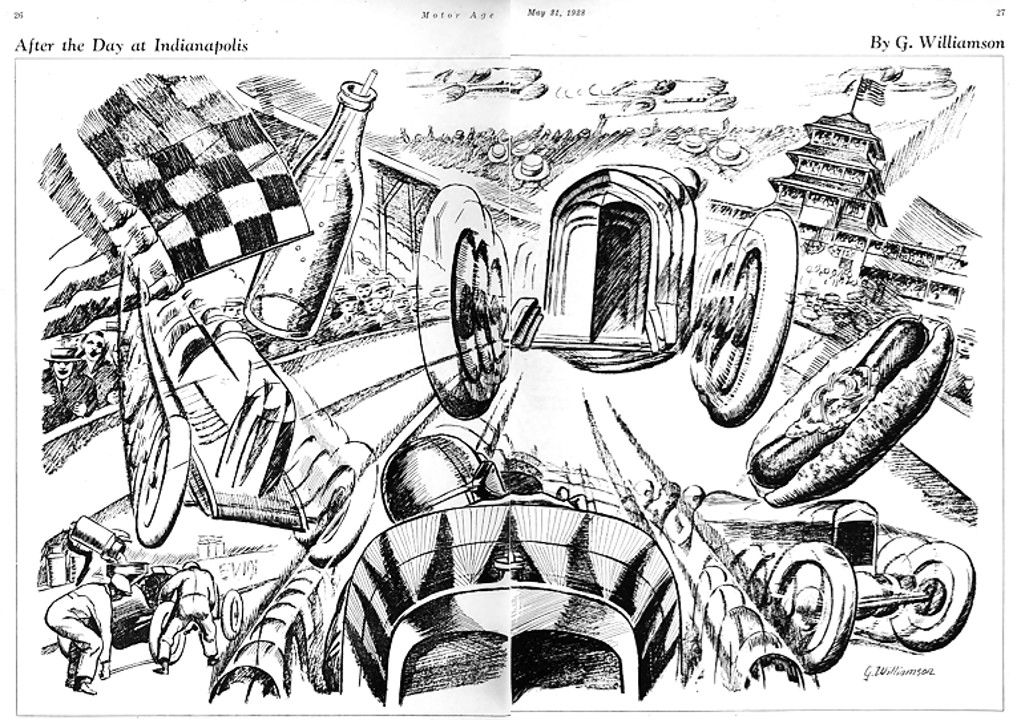
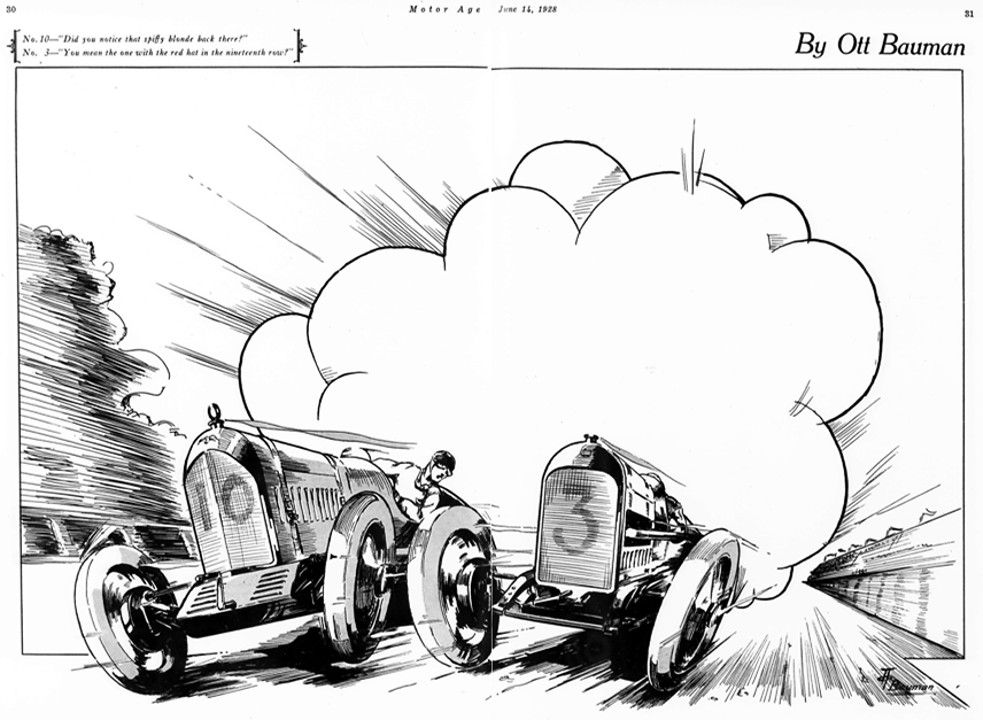
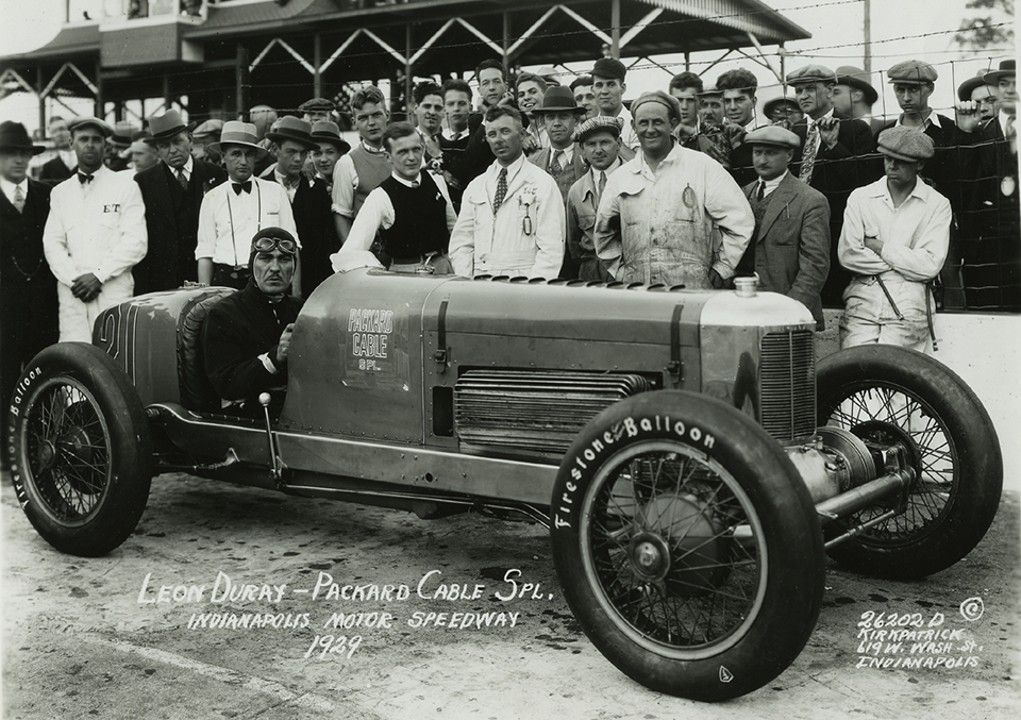
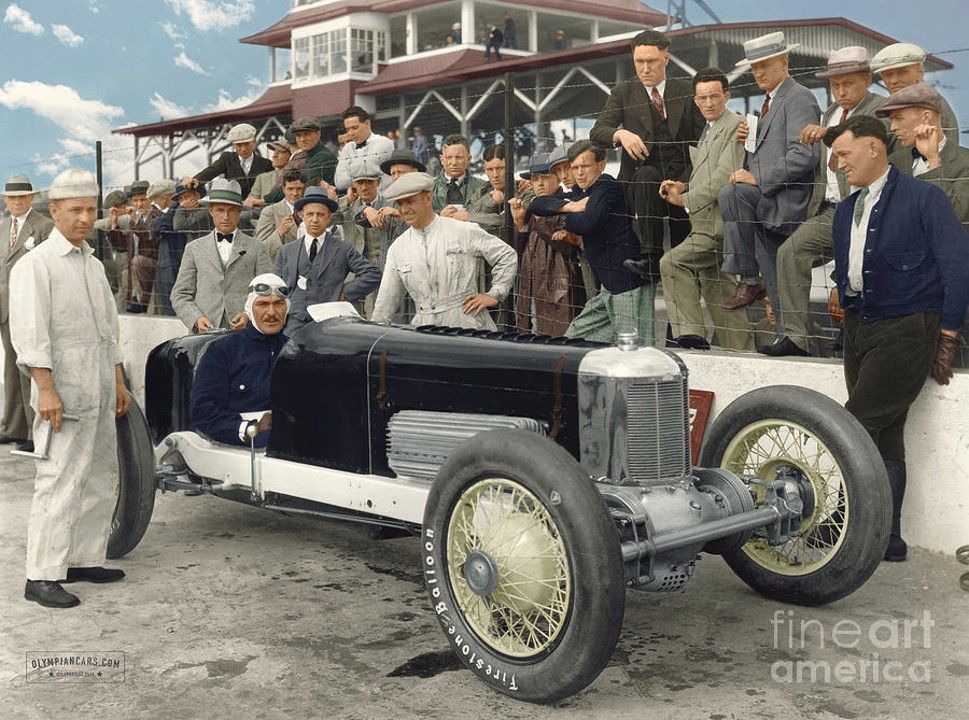
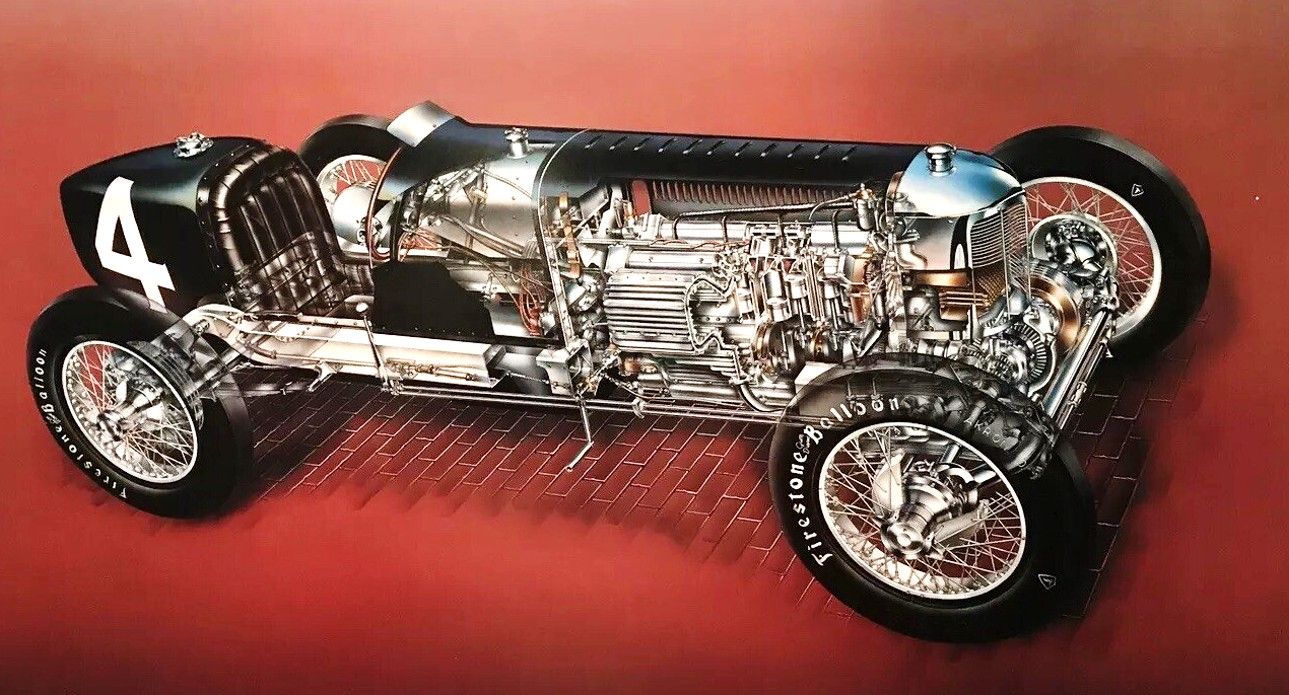
When the track opened in 1928, it had a new owner, Capt, Eddie Rickenbacker. And its track record-holder Frank Lockhart had been killed at Daytona Beach during a land speed record attempt. Before the race it was “Leon Duray” who made the headlines. In qualifying he drove his front-wheel driven Miller to a one-lap track record of 124.018 mph. Apart from his track records, Duray is credited as being the man who did research about more suitable fuels for the for that time highly-boosted supercharged engines. He was behind the introduction of methanol-based fuel blends as alternative on tetra-ethyl-lead loaded gasoline.
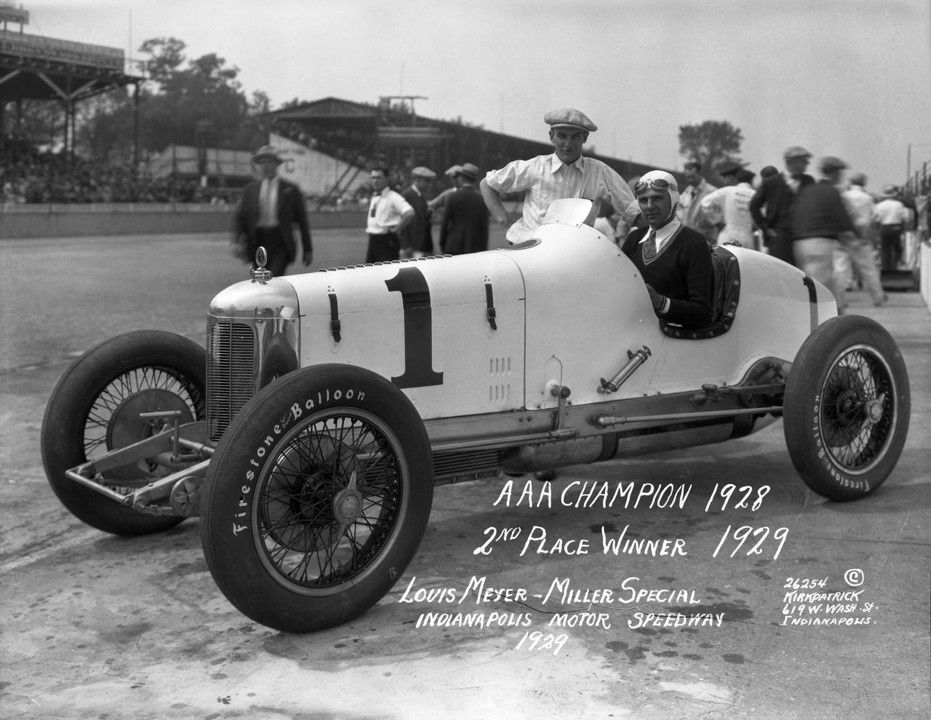
Despite the theoretical advantages that FWD cars had on the rear-wheel driven ones, it were again the rear-drives that decided the race outcome. The eventual winner was Lou Meyer who drove what had originally been one of the two rear-drive Millers of Frank Lockhart. Meyer had driven relief in the year before but had never qualified a car himself yet, so technically he was a rookie. Despite the qualifying records being broken in the past three years, the race record of DePaolo set in 1925 still stood.
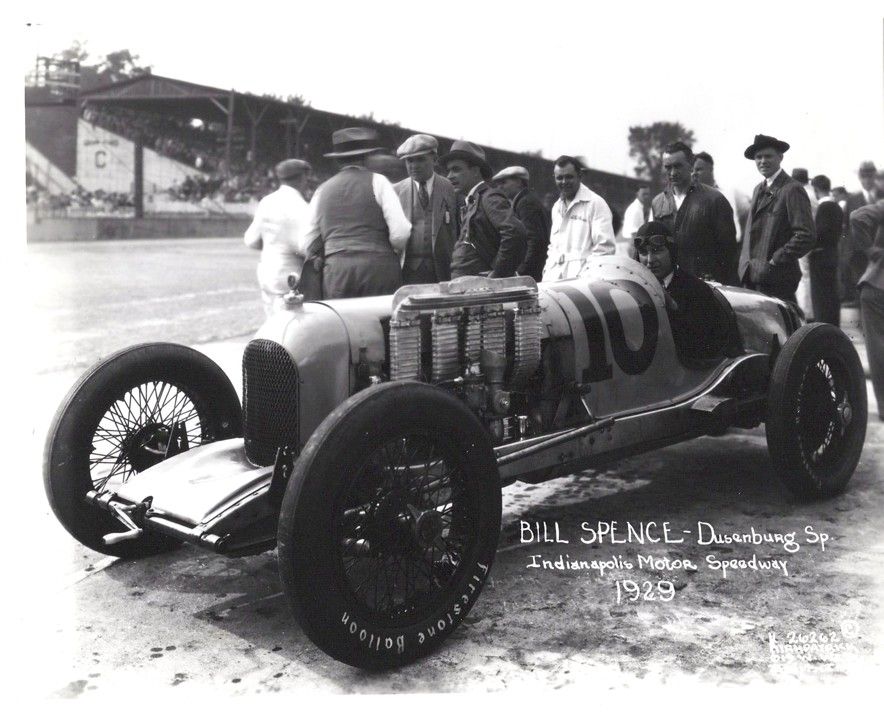
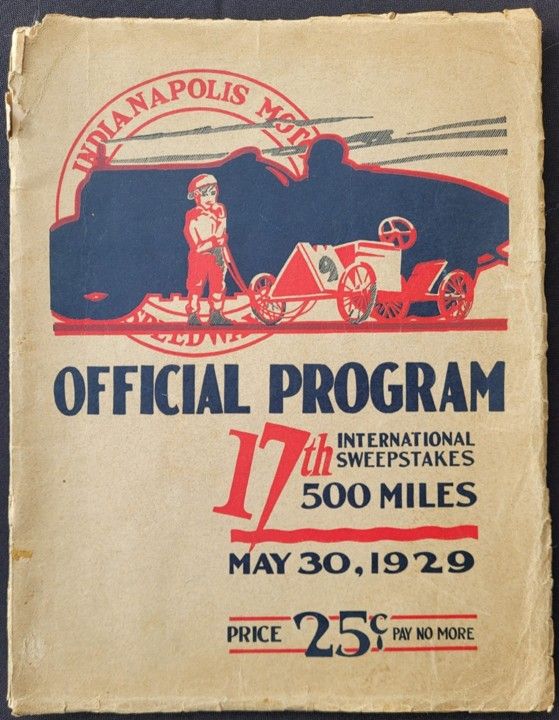
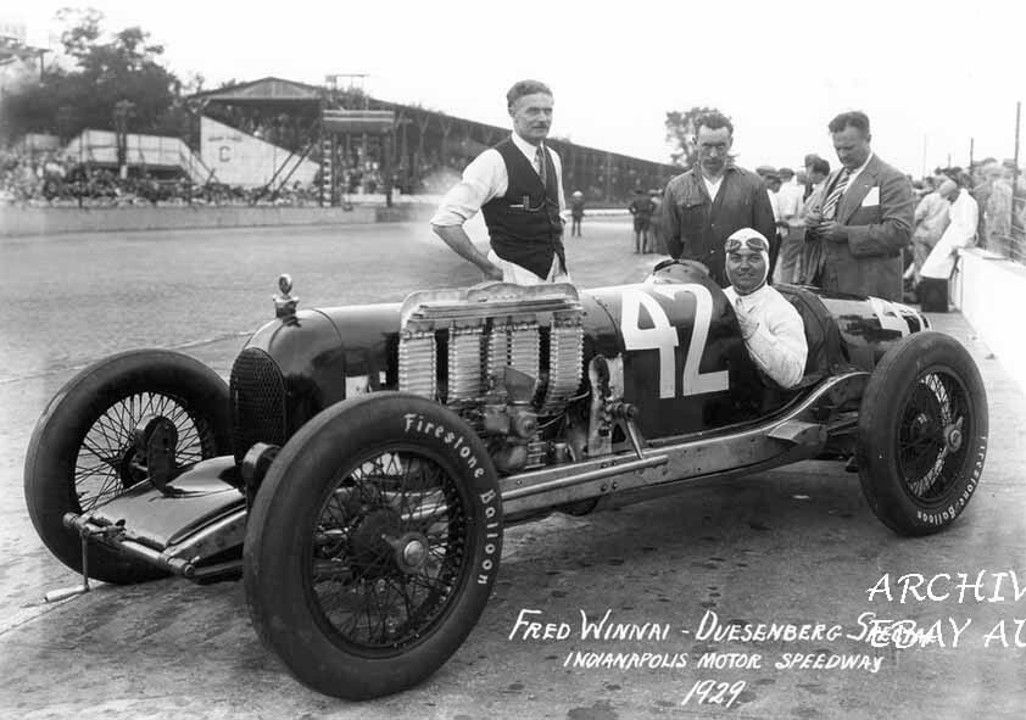
When the track opened in May 1929, it was known to be for the last time for the 91CI Purebreds. New rules for the cars were to be implemented from 1930 on.
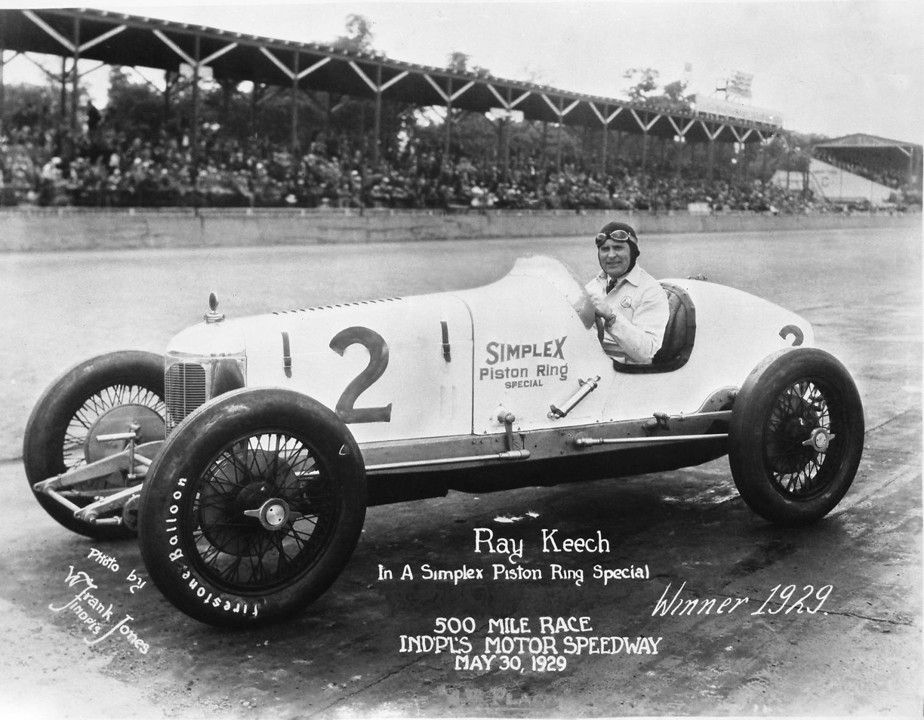
Qualifying ended with Cliff Woodbury on pole but with Leon Duray’s qualifying records of the previous year still intact. In the race, Woodbury set two records he did not want to set. One being the first Polesitter who was the first retirement in the race (after 3 laps!) and because of that being available as a relief driver early on. Eventually he became the only driver in Indy history, ever who drove in four different cars. Frank Lockhart’s legacy kept living on because the second of the rear drive Millers he once owned, was driven to victory by Ray Keech.
But that was the end for the high-boosted little beauties of predominantly Miller and Duesenberg. New track owner Eddie Rickenbacker wanted to see more and other cars, built by more car builders instead of the highly specialized Hi-Tech Millers. The 91CI’s were to some extend a success beyond belief, but they had killed-off input from those who had no access to that technology. But still, American origin Racing car technology never reached such a highlight as with the smallest engines ever used at Indy.
Suggestions for the new rules were made already in 1928, finalized and approved in early 1929. Thus, unlike the stories go, not mandated after the Wall Street Crash of October that year, but already way before that.
In many ways, the end of the “Golden Era” was to come anyhow after 1929. They were the absolute highlight years for Harry Miiller and his associates. And then to mention that within Europe, the 91CI formula had been such a dismal failure that it did not take too long for some events to adopt a Formula Libre in order to gain enough entries. Not that every starting field between 1926 and 1929 had the maximum of 33 entries but every year more than enough cars were around to keep taking Indy serious. It remains curious that all of that went on, while it totally didn’t live up yet to the later so famous American manner of doing things based on the principle that there was no substitute for Cubic Inches. Harry Miller and with him his draftsman Leo Goossen, and men like Leon Duray and Frank Lockhart proved differently. YKW, 15.04.2026
Indianapolis 500 – 1926-1929
MoToR (1928 - 1930)
Motor Age (1928 - 1929)
Automotive Industries (1928 - 1930)
- Delage and Talbot Entries are Made for Indianapolis - 23 March 1929
Omnia, Revue Pratique de l'Automobile
- Le Grand Prix d'Indianapolis - June 1928