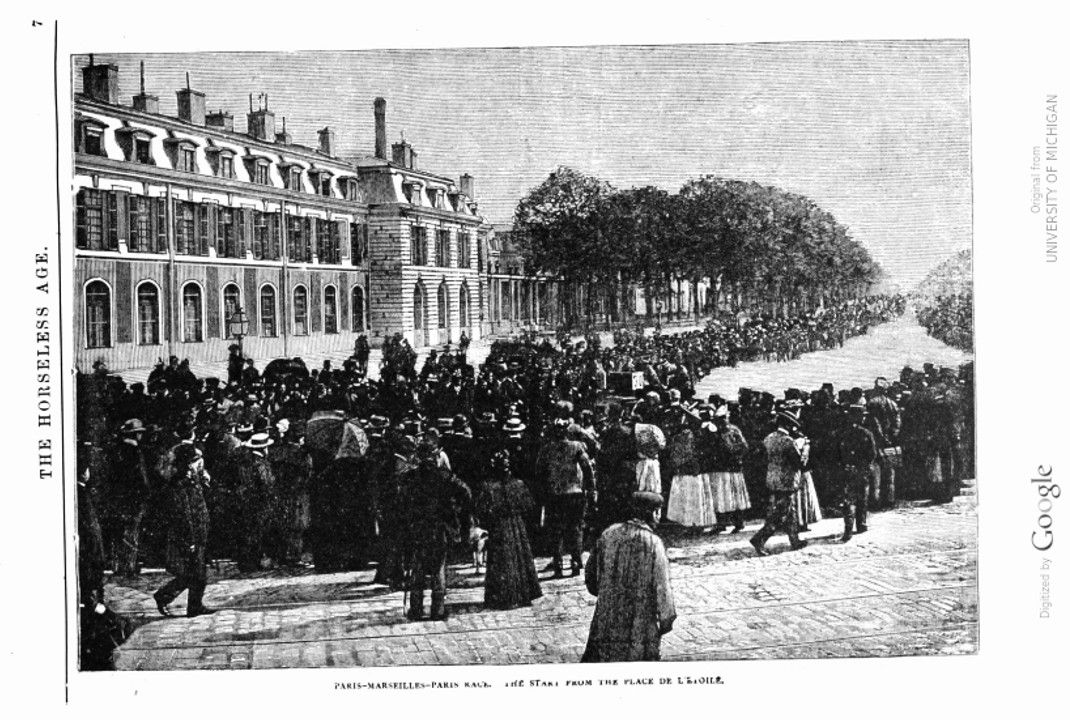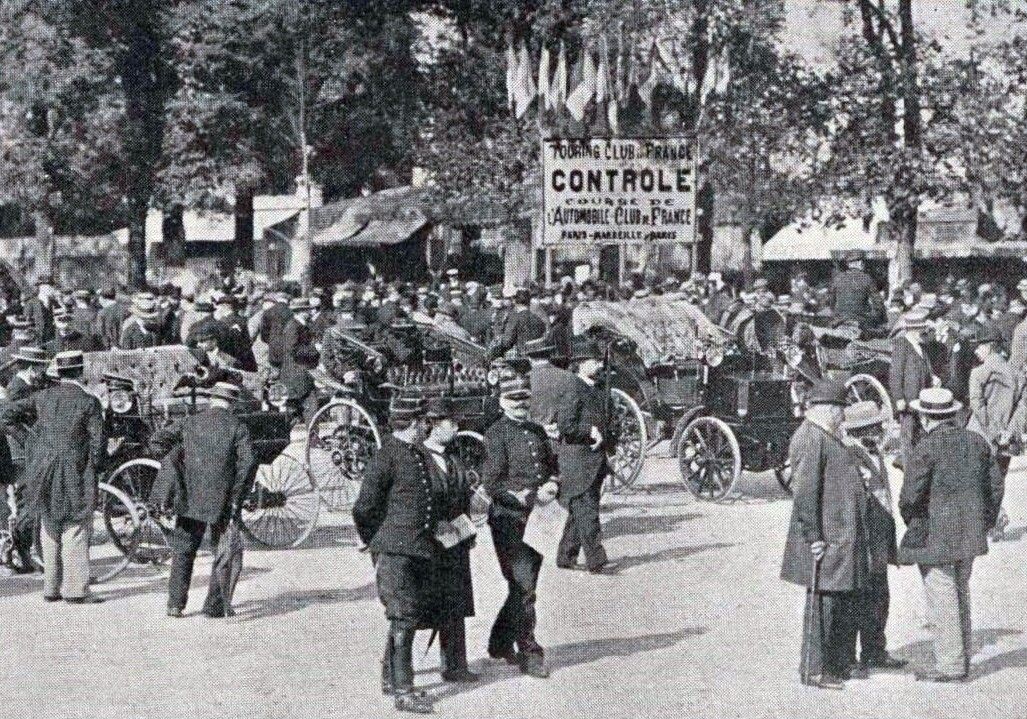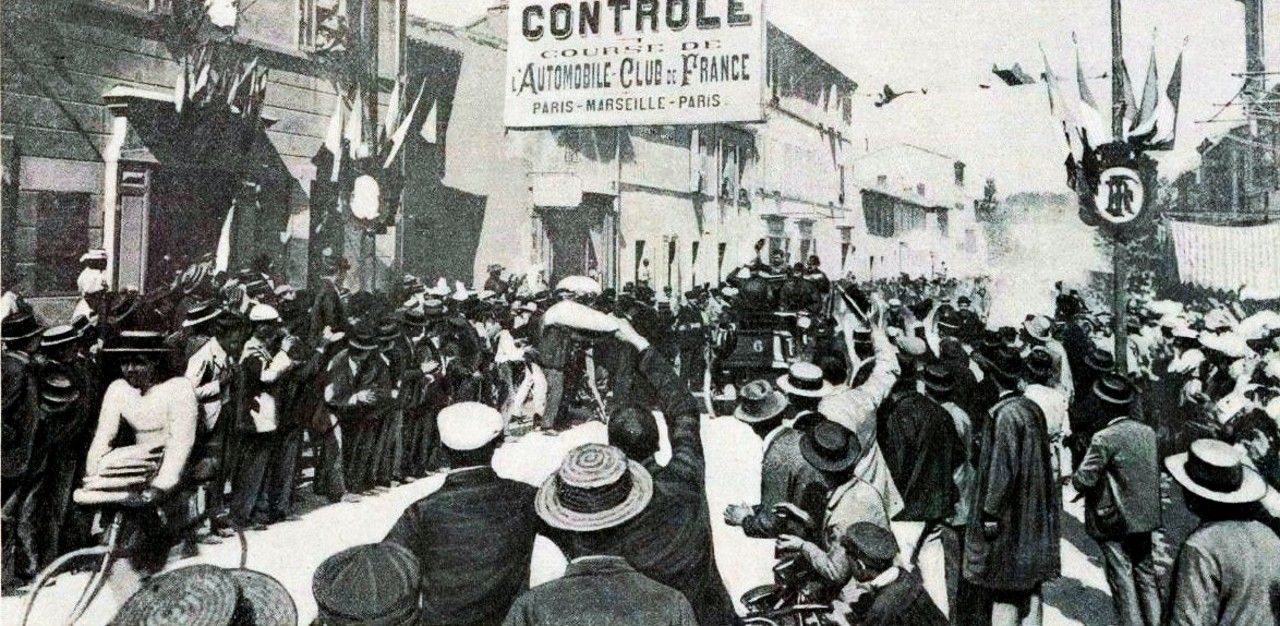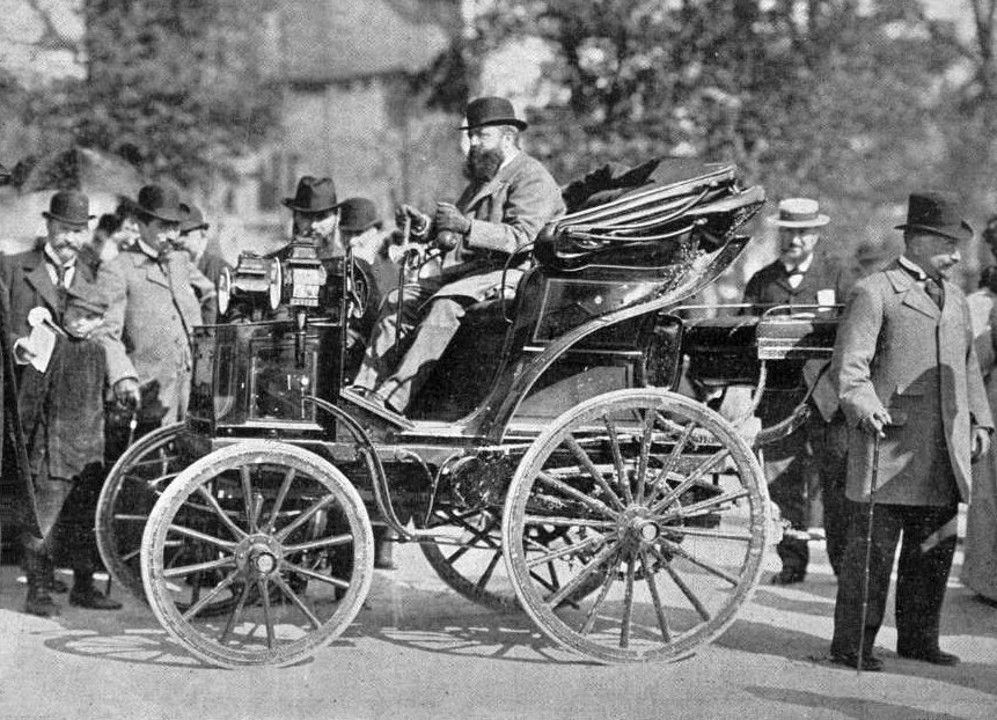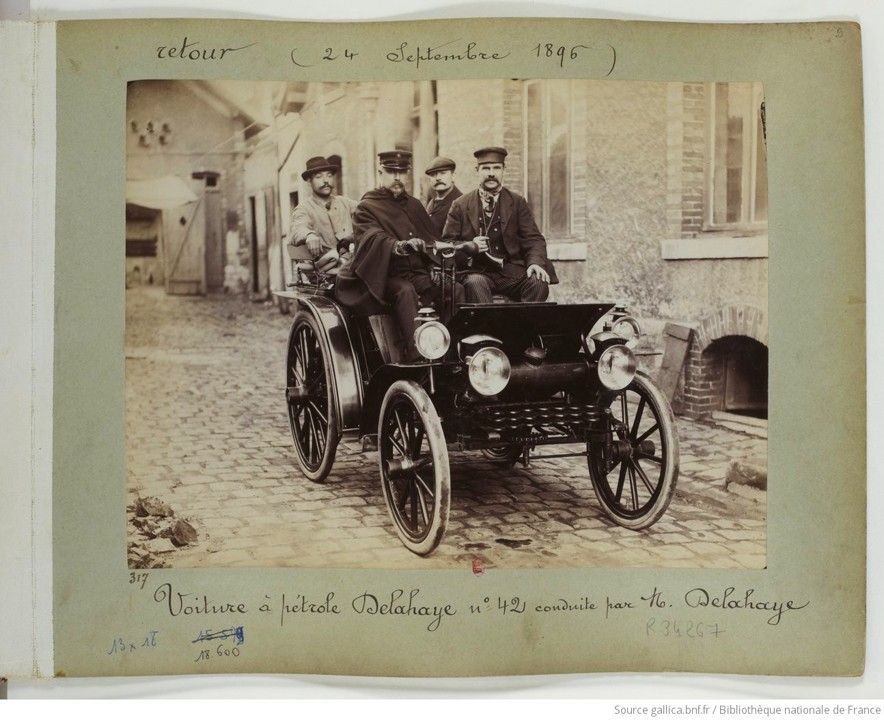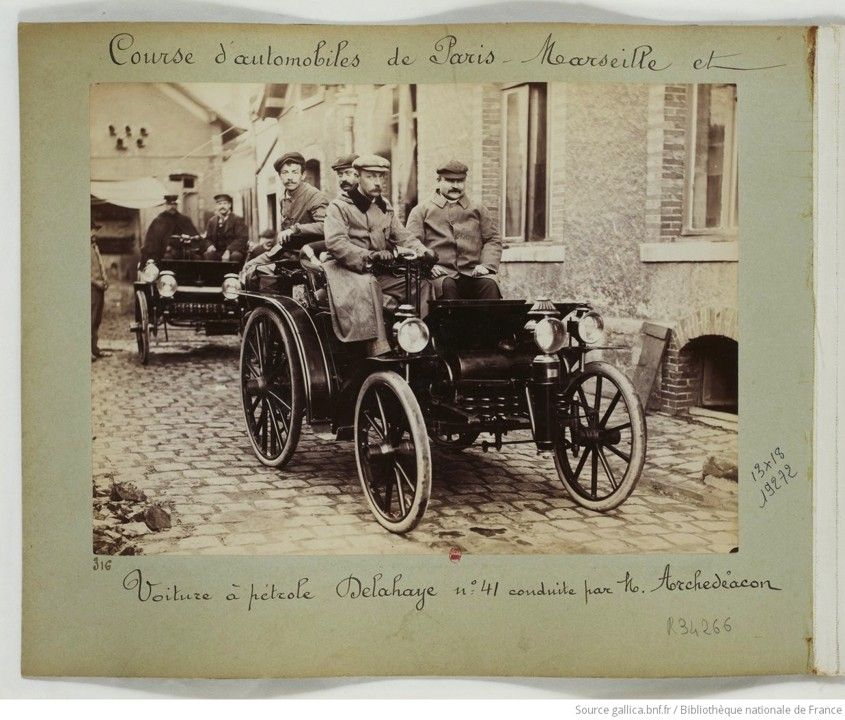
The 1896 Paris-Marseille-Paris Race.
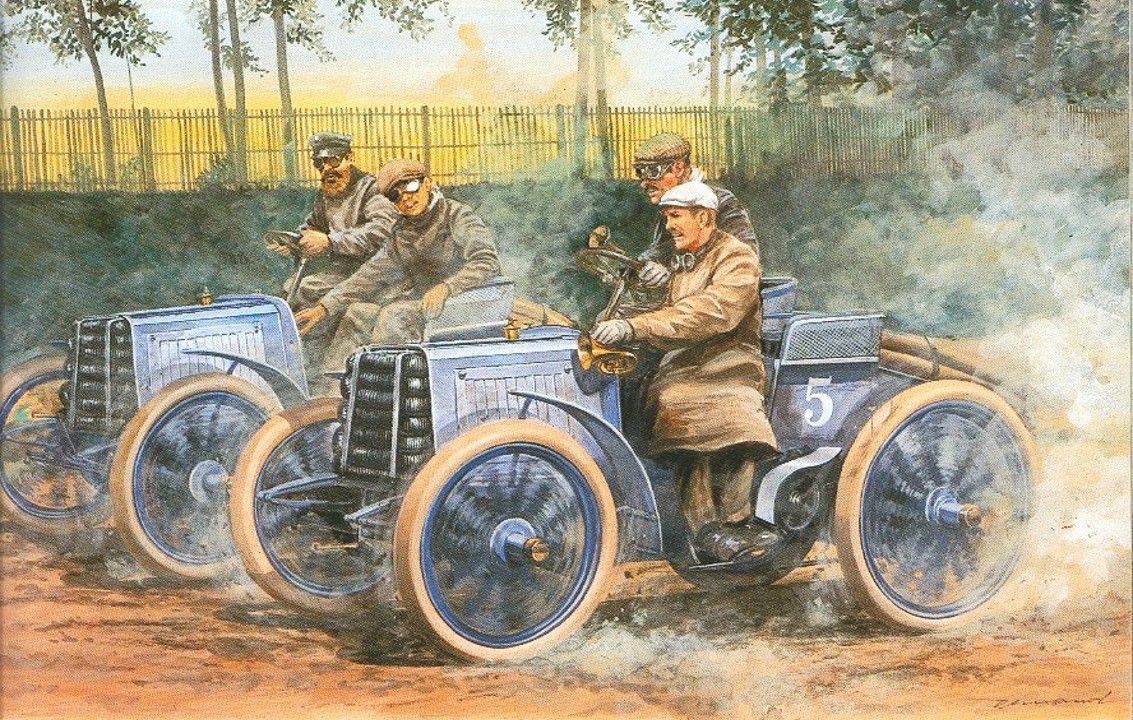
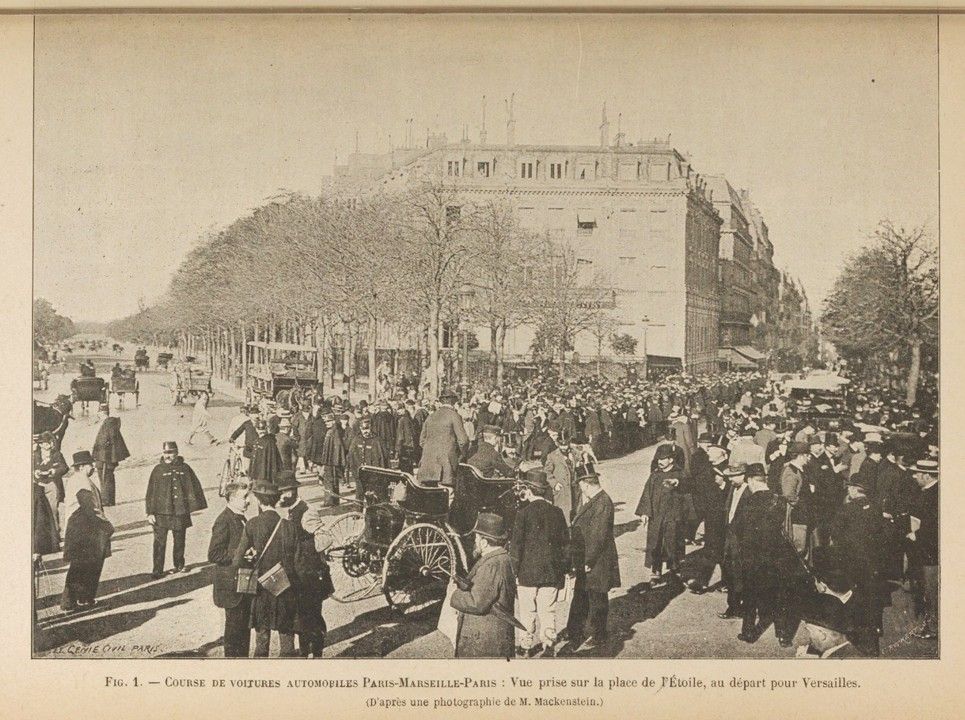
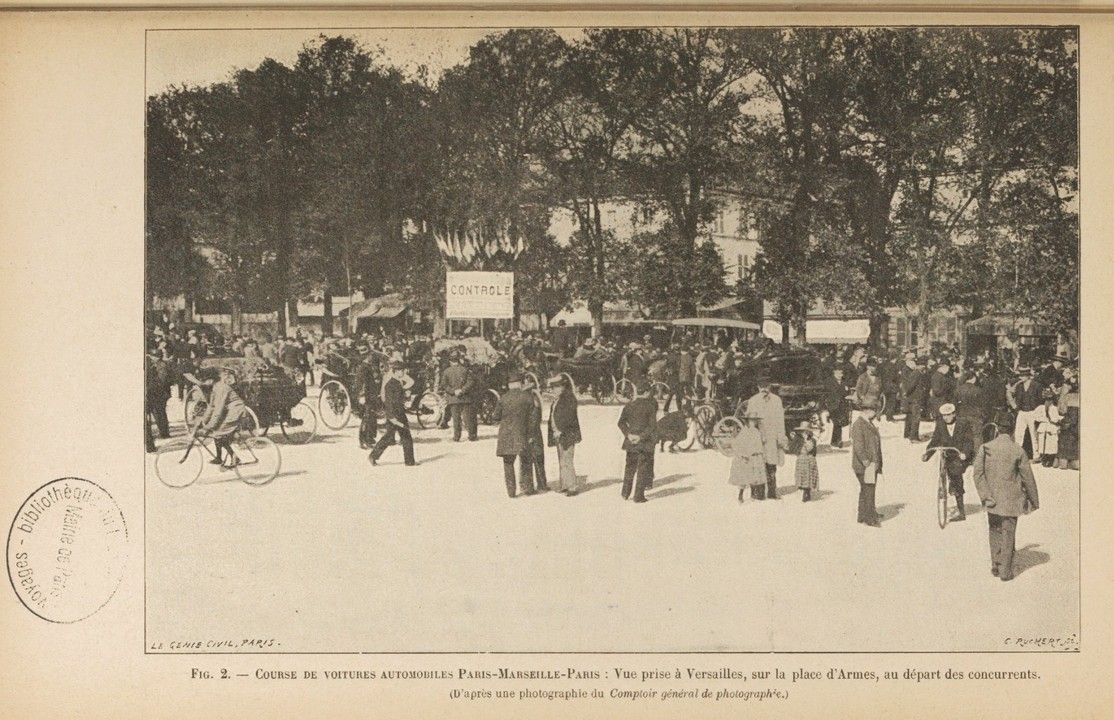
In September 1896, Le Sport Universel Illustré documented the Paris–Marseille–Paris automobile race, a 1,728-kilometer reliability trial that started in Versailles.
The event featured a total prize fund of 47,050 francs and attracted forty officially registered competitors, consisting of thirty-six gasoline-powered and four steam-powered vehicles.
The regulations categorized the vehicles by capacity, including eighteen two-seaters, two three-seaters, fifteen four-seaters, two five-seaters, and three six-seaters.
Additionally, motor-tricycles that had qualified in the Paris–Mantes preliminary trial were permitted to participate for official timing, though they were excluded from the prize money.
The race functioned as a comparative field test between established heavy luxury automobiles and newly introduced consumer models, specifically the de Dion-Bouton gasoline tricycle (weighing 110 kg with a 0.5 horsepower engine and a 3-liter fuel capacity) and the Bollée voiturette tandem tricycle.
Severe weather, including heavy rain and high winds, caused significant mechanical failures, crashes, and obstructions from fallen trees, which led to the complete elimination of all steam-powered competitors by the third stage.
(As per October 2026, this comment established by AI. – Page is still under construction.)
1896 Paris – Marseille
La Vie au Grand Air
- Paris Madrid, la Route des Touristes - 23 May 1903
La Vie automobile
La Locomotion Automobile
Le Sport Universel Illustré
- La Course Paris-Marseille-Paris - 24 June 1896 (on its way)