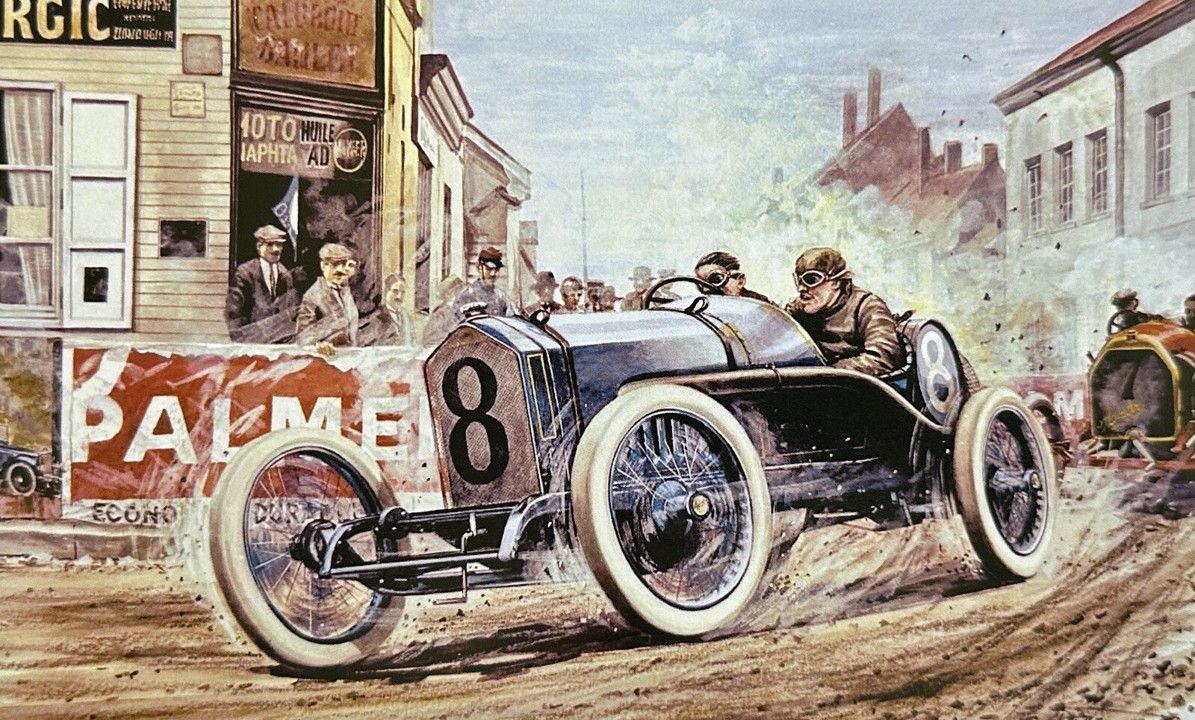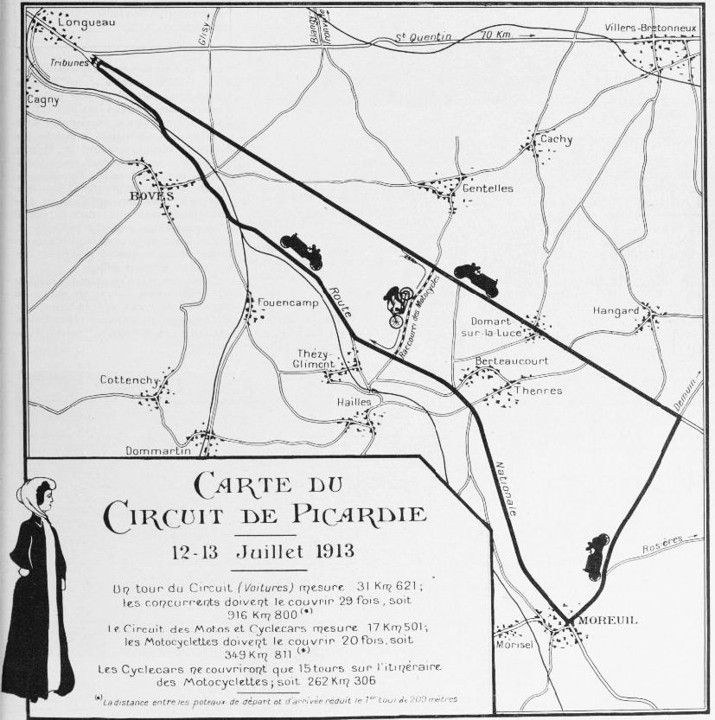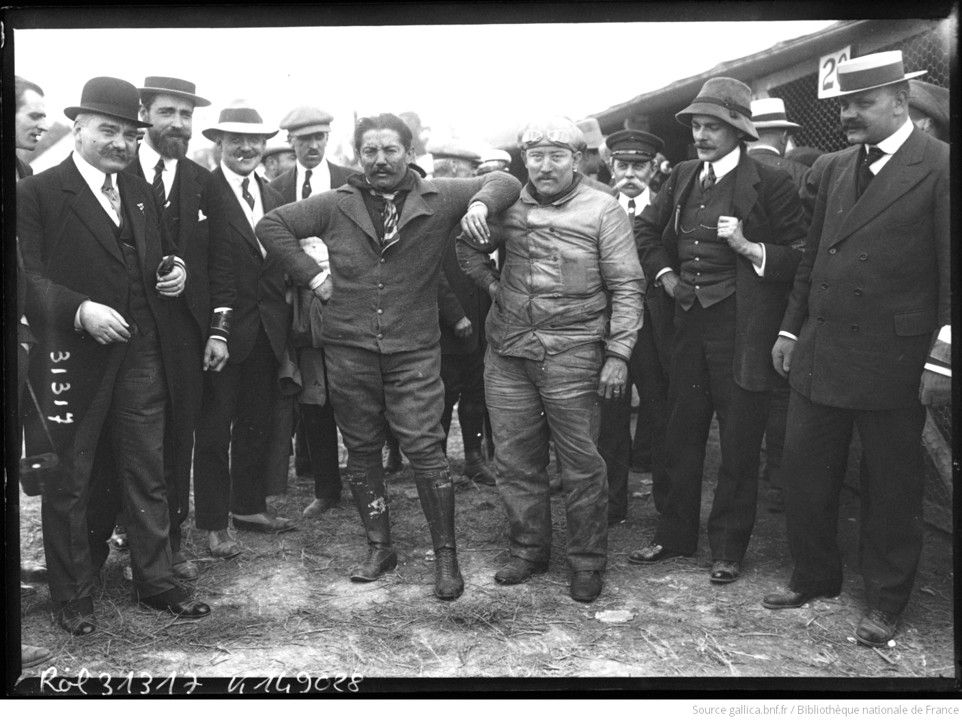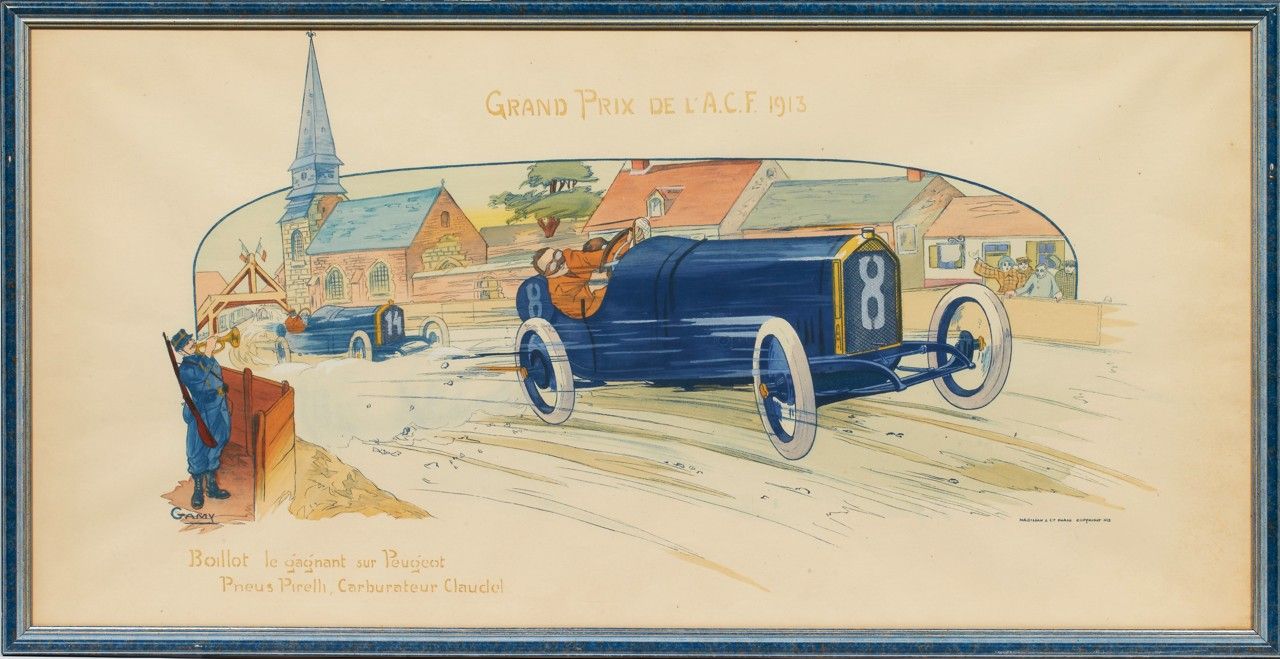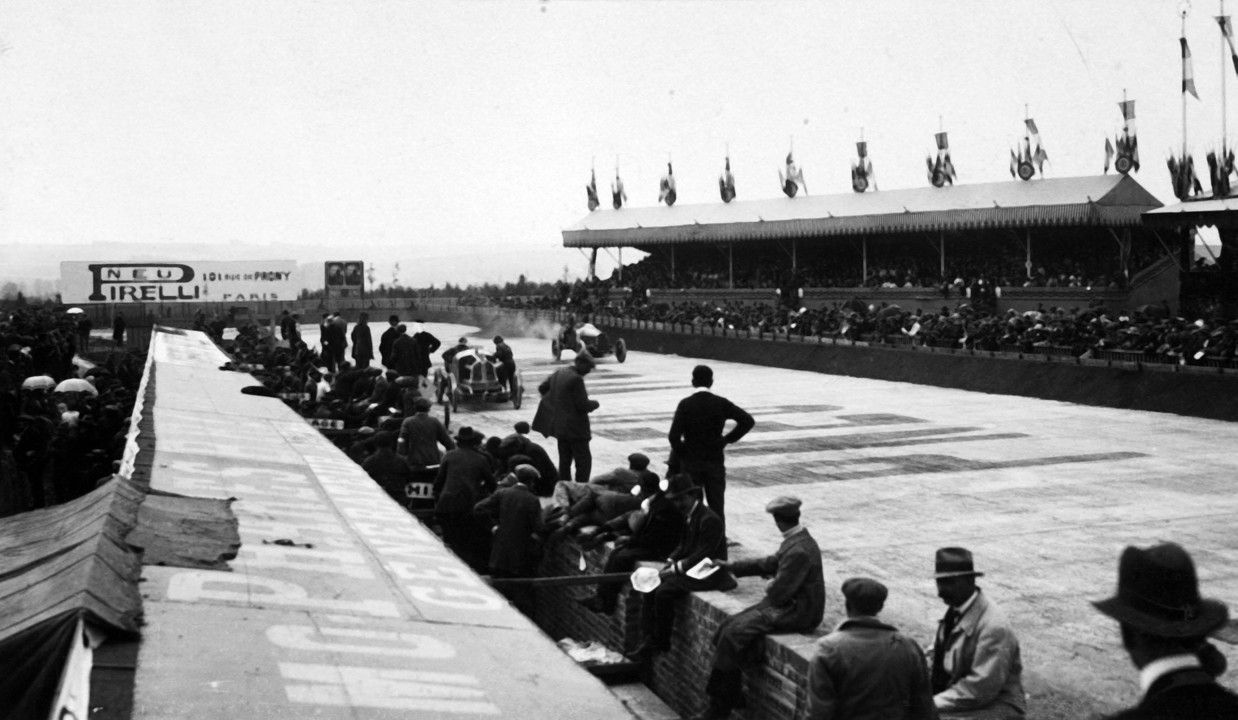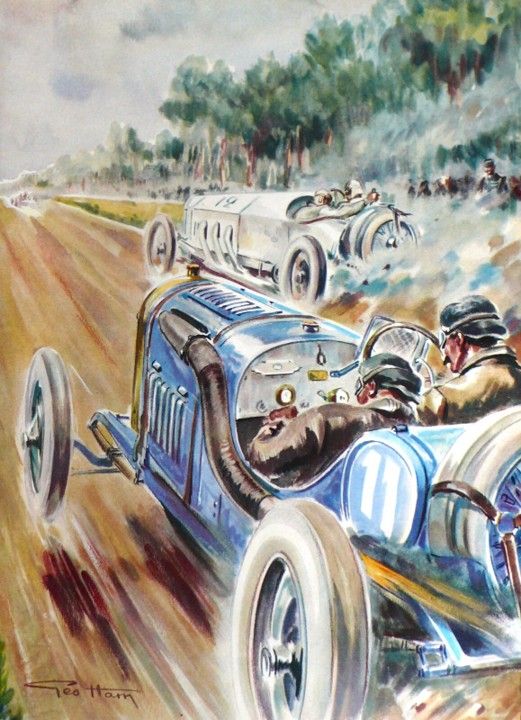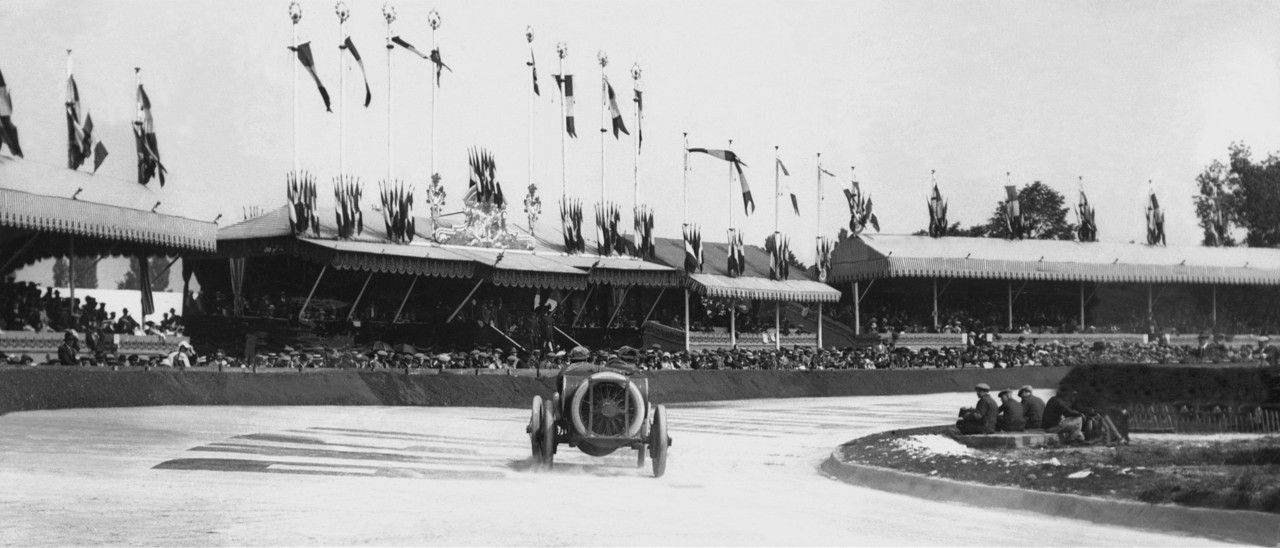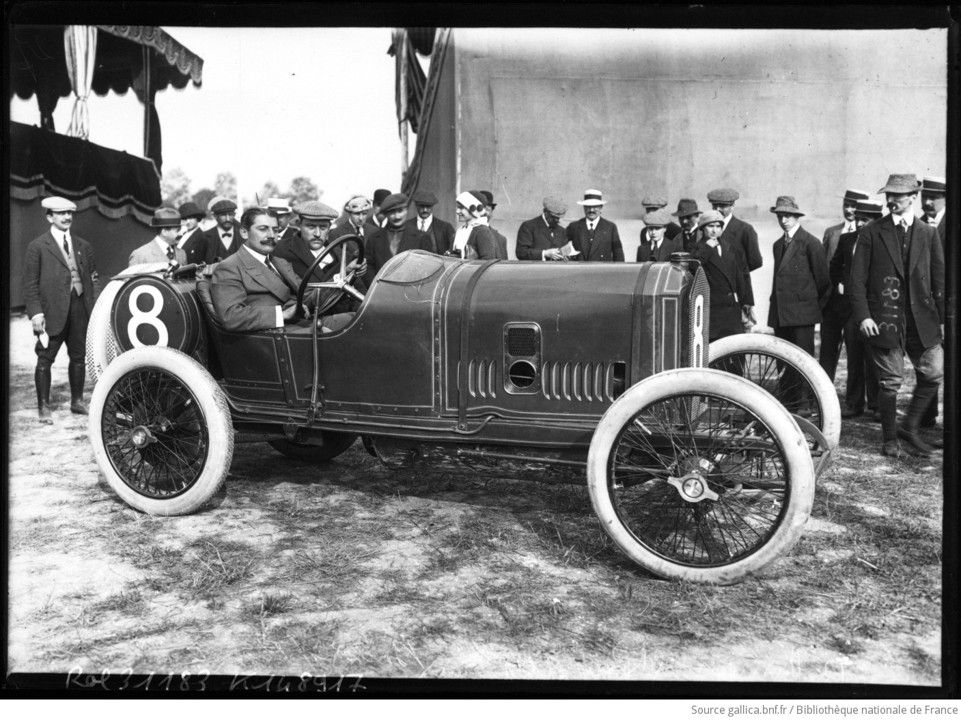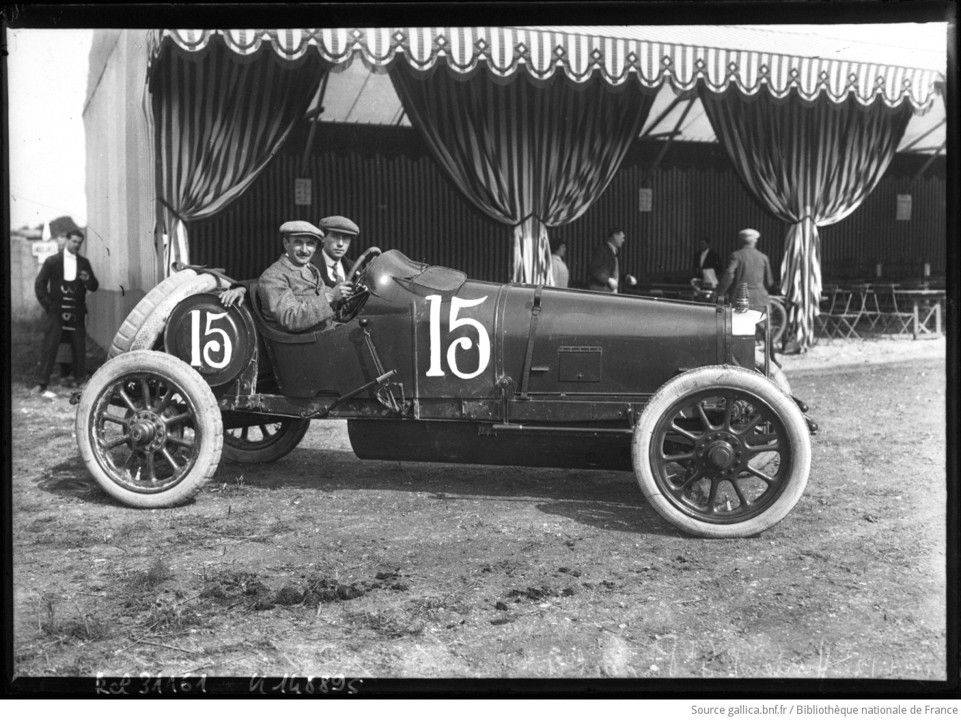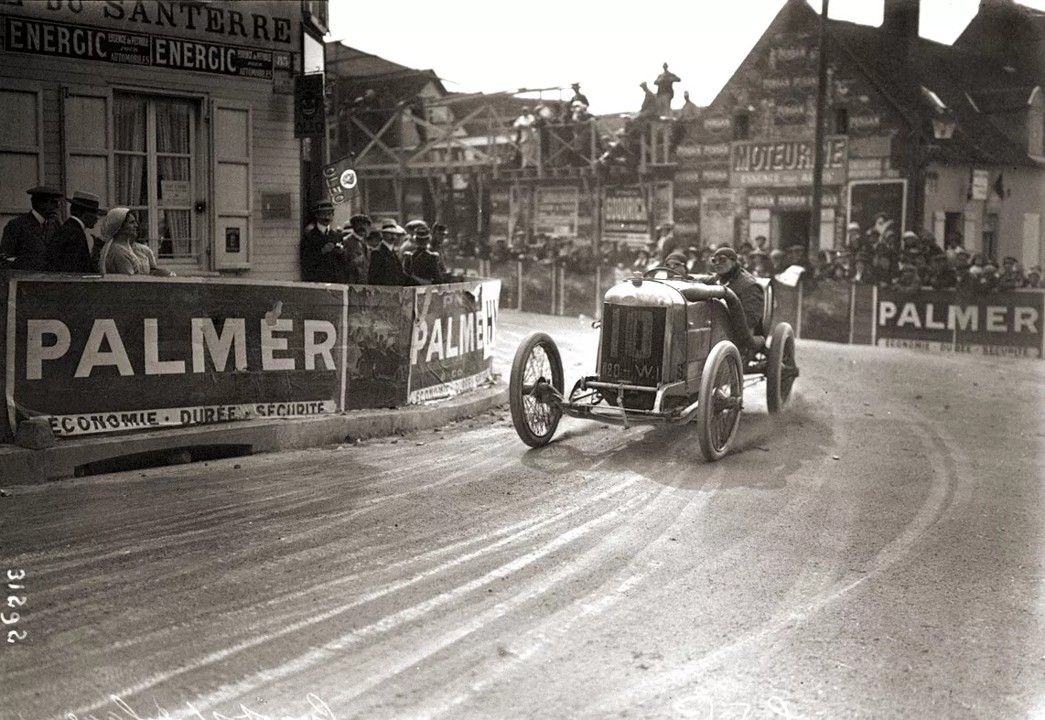
The 1913 Grand Prix de l’ACF was a milestone motorsport event held on July 12, 1913, near Amiens, France.
To curb dangerous velocities, the ACF implemented here a strict regulatory 20 ltr/100km fuel consumption limit. This restriction forced automotive engineers to pivot from massive aero-engines on to high-efficiency engine designs.
The race spanned 29 laps over the public-road Circuit de Picardie, totaling some 917 kilometers. France’s Georges Boillot won the event driving a Peugeot EX3 in just less than 8 hours in an average speed of 117 kmh. Peugeot dominated the field by securing a 1-2 finish, confirming last year’s engine design. George Boillot and Jules Goux on Peugeot 1st and 2nd, Jean Chassagne on Sunbeam 3rd, with Paul Bablot for the fastest lap in a Delage Type Y, averaging a peak speed of 123.5 km/h.
The winning vehicle featured the revolutionary 5.6-liter DOHC inline-4 engine with four valves per cylinder. This architecture optimized volumetric and thermal efficiency, generating 115 hp with just under the limit of 20 ltr/100km. The car also pioneered a dry-sump lubrication system.
The event was marred by five fatalities, including the pre-race testing crash of Peugeot driver Paolo Zuccarelli. Due to these severe safety hazards and lack of barriers, the high-speed circuit was permanently retired.
Grand Prix 1913
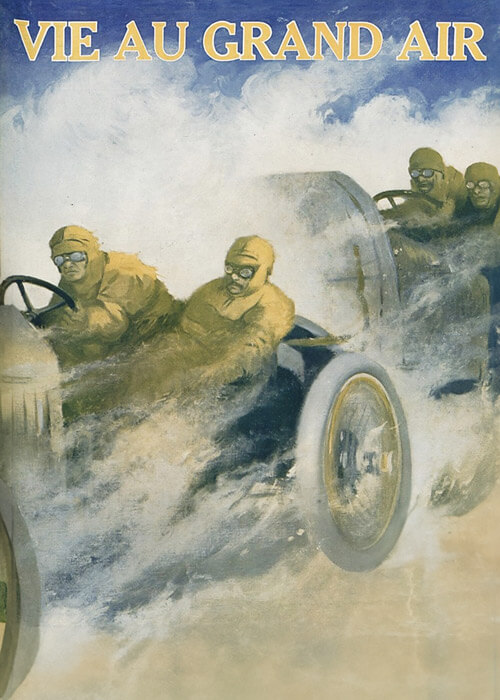
La Vie au Grand Air
- Le Grand Prix de l'Automobile-Club - 4 July 1914