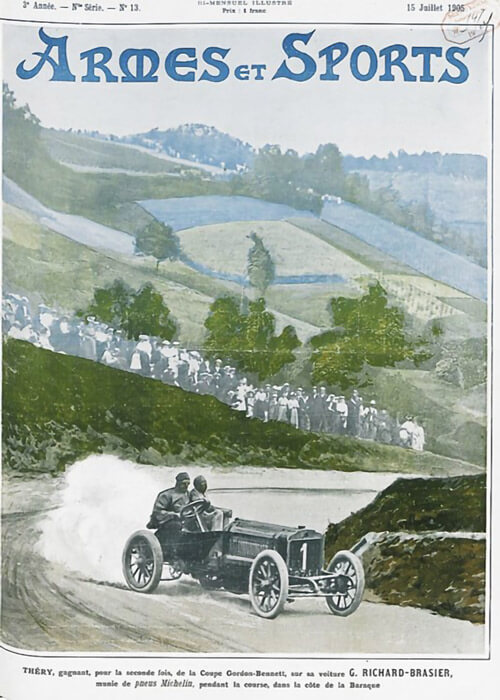
The new American motor magazine „The Motocycle (Automobile), already started on its onset with reporting the 1895 Times-Herald Race in Chicago. Many articles wre published, of which here only the most inetersting ones are given. It started out with pointing out the judges and their assistants. All things first!
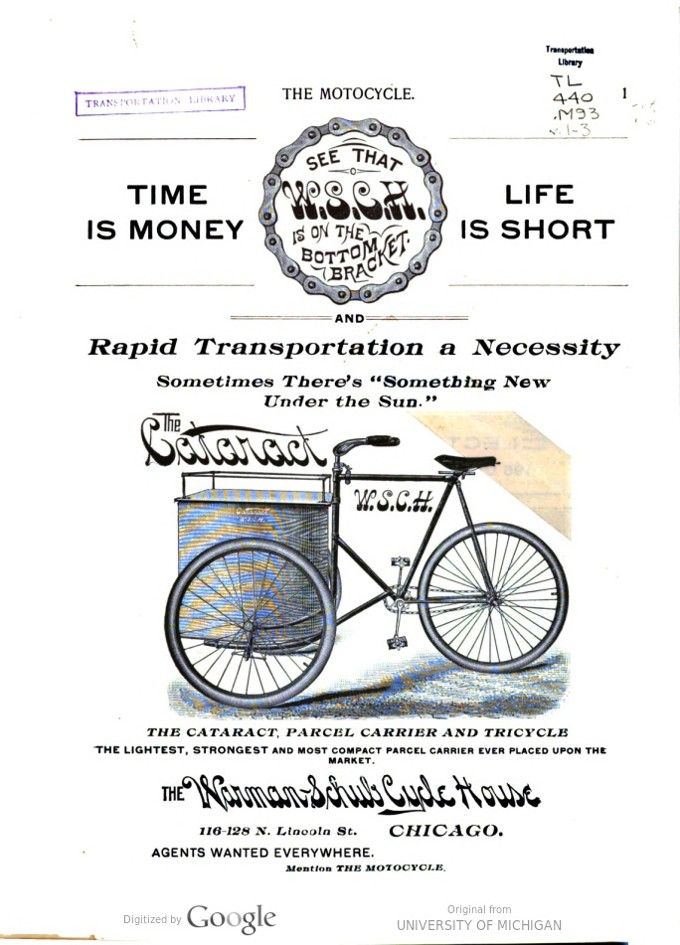
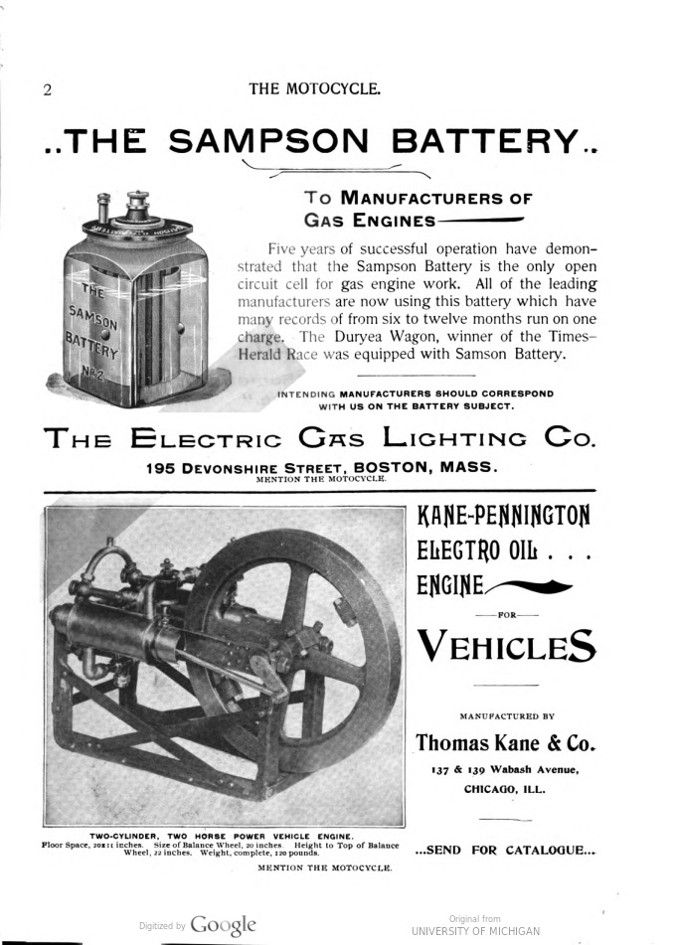
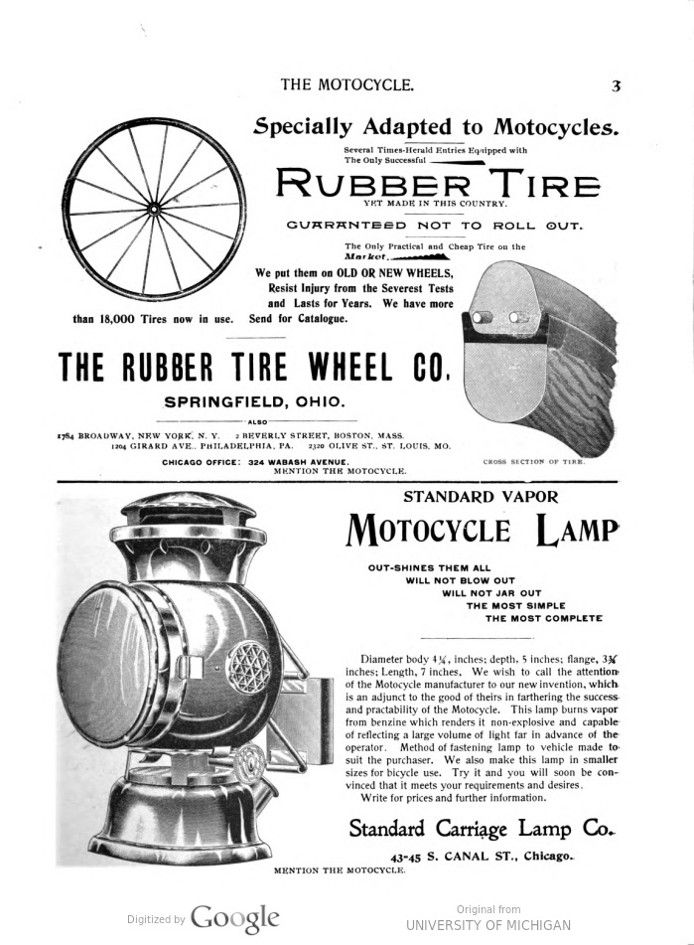
With permission of hathitrust hathitrust.org == Text and fotos compiled by motorracinghistory
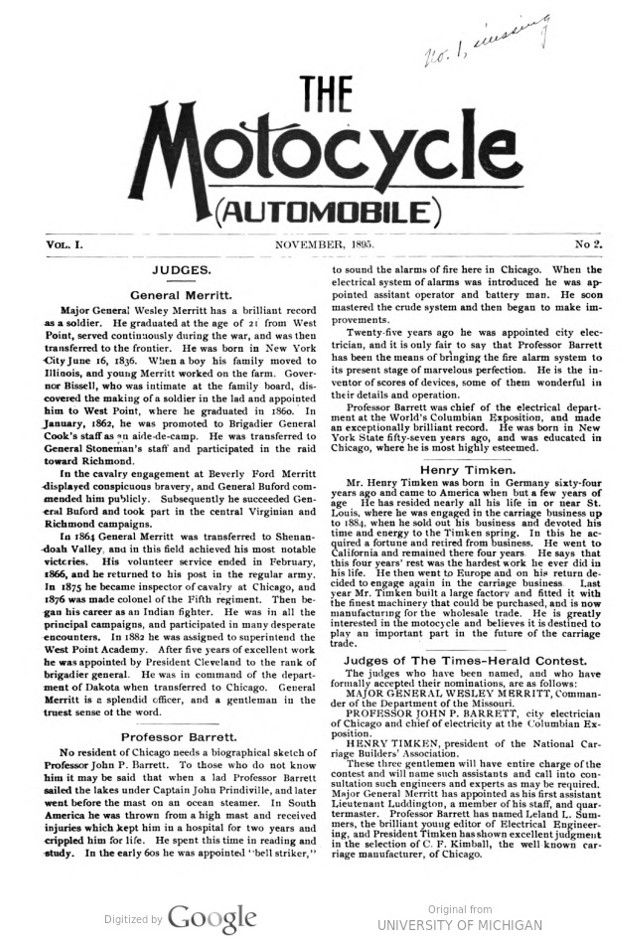
The Motocycle (Automobile) — Vol. 1, No. 2, November 1895
The Times-Herald Race: Judges
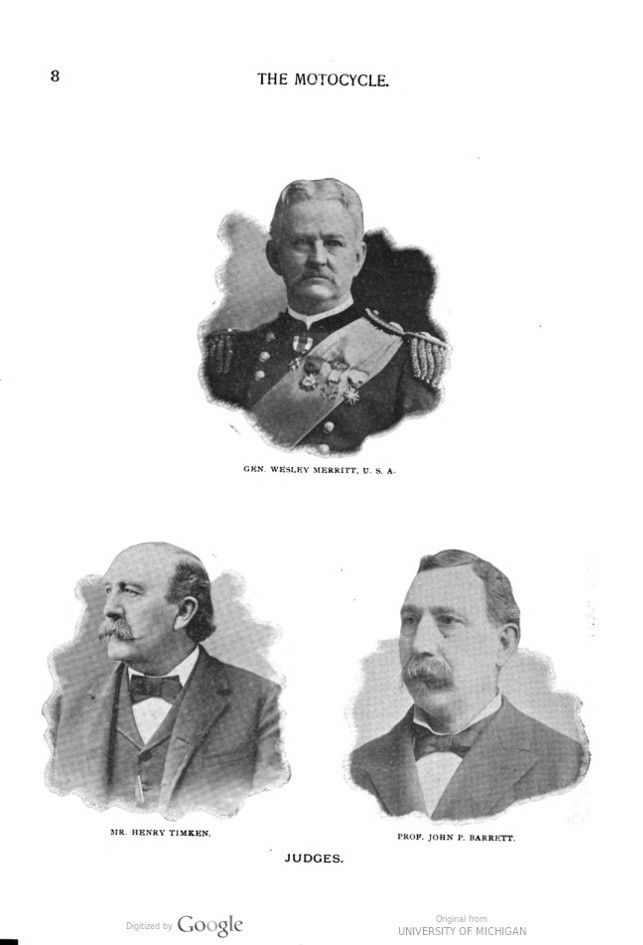
General Merritt.
Major General Wesley Merritt has a brilliant record as a soldier. He graduated at the age of 21 from West Point, served continuously during the war, and was then transferred to the frontier. He was born in New York City June 16, 1836. When a boy his family moved to Illinois, and young Merritt worked on the farm. Governor Bissell, who was intimate at the family board, discovered the making of a soldier in the lad and appointed him to West Point, where he graduated in 1860. In January, 1862, he was promoted to Brigadier General Cook’s staff as an aide-de-camp. He was transferred to General Stoneman’s staff and participated in the raid toward Richmond. In the cavalry engagement at Beverly Ford Merritt displayed conspicuous bravery, and General Buford commended him publicly. Subsequently he succeeded General Buford and took part in the central Virginian and Richmond campaigns. In 1864 General Merritt was transferred to Shenandoah Valley, and in this field achieved his most notable victories. His volunteer service ended in February, 1866, and he returned to his post in the regular army. In 1875 he became inspector of cavalry at Chicago, and 1876 was made colonel of the Fifth regiment. Then began his career as an Indian fighter. He was in all the principal campaigns, and participated in many desperate encounters. In 1882 he was assigned to superintend the West Point Academy. After five years of excellent work, he was appointed by President Cleveland to the rank of brigadier general. He was in command of the department of Dakota when transferred to Chicago. General Merritt is a splendid officer, and a gentleman in the truest sense of the word.
Professor Barrett.
No resident of Chicago needs a biographical sketch of Professor John P. Barrett. To those who do not know him it may be said that when a lad Professor Barrett sailed the lakes under Captain John Prindiville, and later went before the mast on an ocean steamer. In South America he was thrown from a high mast and received injuries which kept him in a hospital for two years and crippled him for life. He spent this time in reading and study. In the early 60s he was appointed „bell striker,“ No 2. to sound the alarms of fire here in Chicago. When the electrical system of alarms was introduced he was appointed assistant operator and battery man. He soon mastered the crude system and then began to make improvements. Twenty-five years ago he was appointed city electrician, and it is only fair to say that Professor Barrett has been the means of bringing the fire alarm system to its present stage of marvelous perfection. He is the inventor of scores of devices, some of them wonderful in their details and operation. Professor Barrett was chief of the electrical department at the World’s Columbian Exposition, and made an exceptionally brilliant record. He was born in New York State fifty-seven years ago, and was educated in Chicago, where he is most highly esteemed.
Henry Timken.
Mr. Henry Timken was born in Germany sixty-four years ago and came to America when but a few years of age He has resided nearly all his life in or near St. Louis, where he was engaged in the carriage business up to 1884, when he sold out his business and devoted his time and energy to the Timken spring. In this he acquired a fortune and retired from business. He went to California and remained there four years. He says that this four years‘ rest was the hardest work he ever did in his life. He then went to Europe and on his return decided to engage again in the carriage business. Last year Mr. Timken built a large factory and fitted it with the finest machinery that could be purchased, and is now manufacturing for the wholesale trade. He is greatly interested in the motocycle and believes it is destined to play an important part in the future of the carriage trade.
Judges of The Times-Herald Contest.
The judges who have been named, and who have formally accepted their nominations, are as follows:
MAJOR GENERAL WESLEY MERRITT, Commander of the Department of the Missouri.
PROFESSOR JOHN P. BARRETT, city electrician of Chicago and chief of electricity at the Columbian Exposition.HENRY TIMKEN, president of the National Carriage Builders‘ Association.
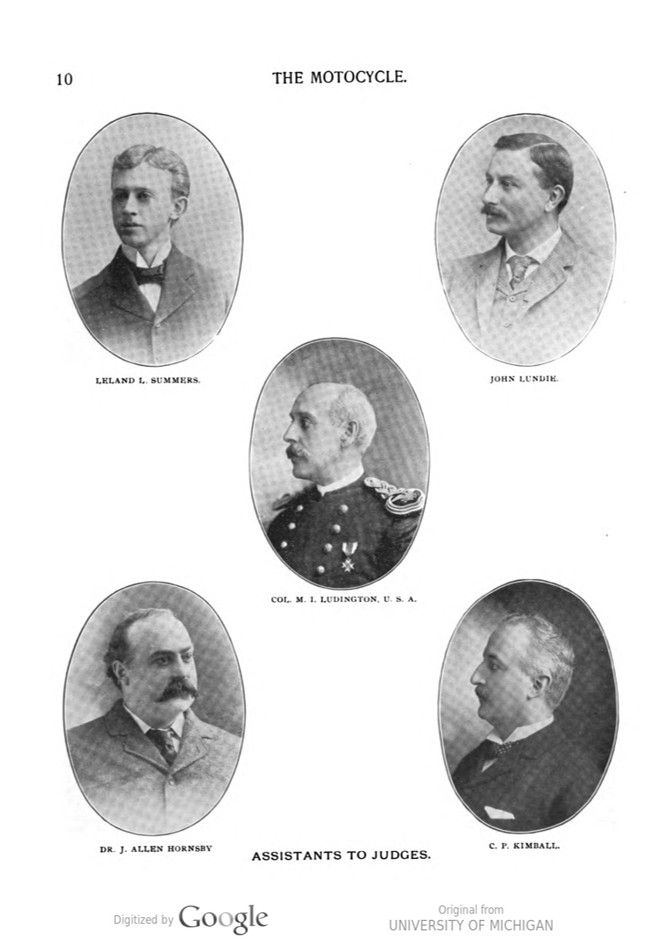
These three gentlemen will have entire charge of the contest and will name such assistants and call into consultation such engineers and experts as may be required. Major General Merritt has appointed as his first assistant Lieutenant Ludington, a member of his staff, and quartermaster. Professor Barrett has named Leland L. Summers, the brilliant young editor of Electrical Engineering, and President Timken has shown excellent judgment in the selection of C. F. Kimball, the well-known carriage manufacturer, of Chicago.
Photos.
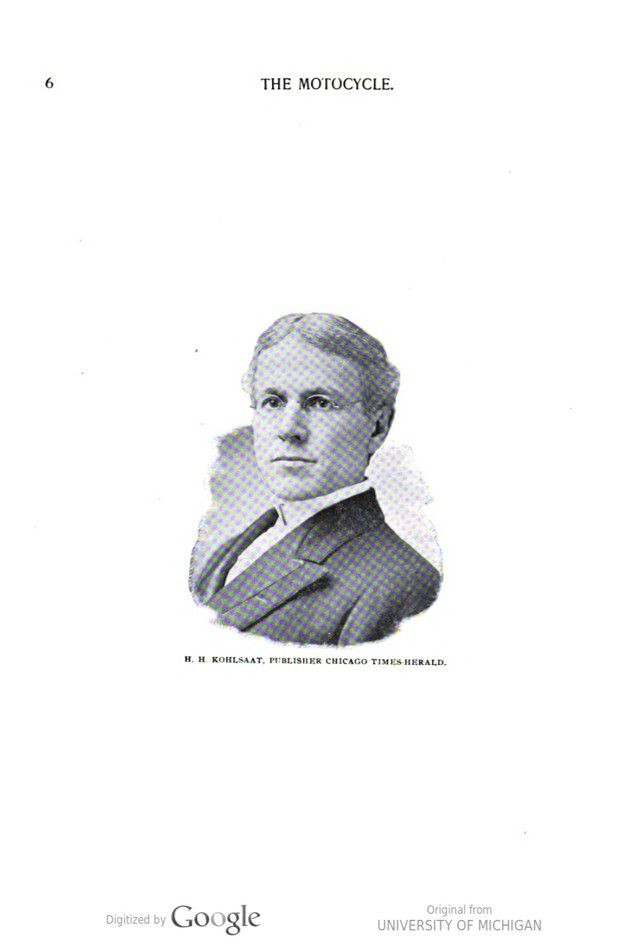
Page 6. H. H. KOHLSAAT, PUBLISHER CHICAGO TIMES-HERALD. Page 8. JUDGES.
GEN. WESLEY MERRITT, U. S. A. – MR. HENRY TIMKEN. – PROF. JOHN P. BARRETT.
Page 10. ASSISTANTS TO JUDGES.
LELAND L. SUMMERS. – JOHN LUNDIE. – COL. M. I. LUDINGTON, U. S. A.- DR. J. ALLEN HORNSBY – C. P. KIMBALL.