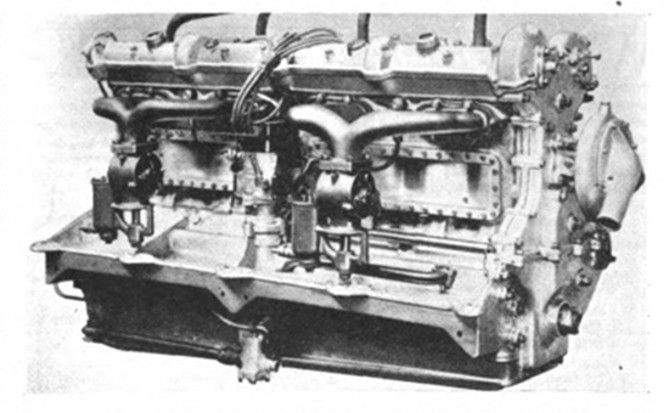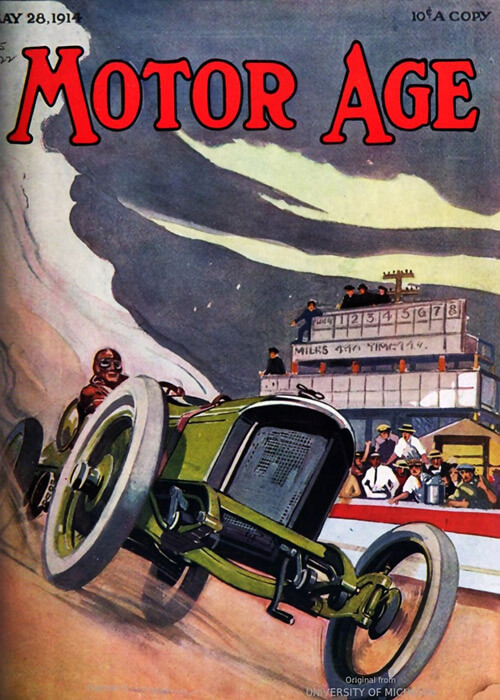
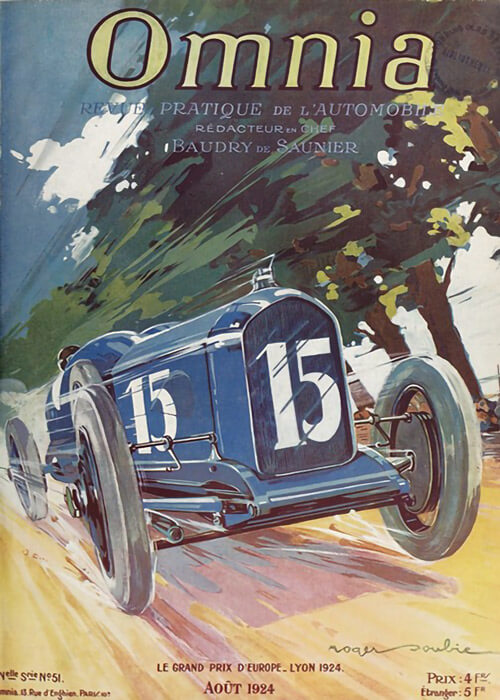
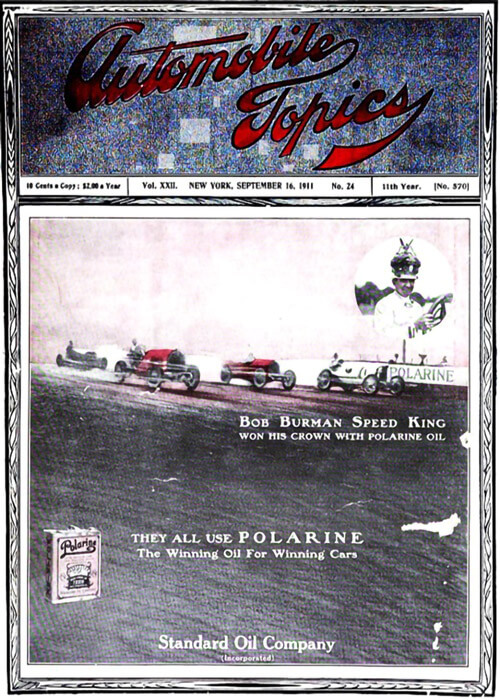
This part covers some (not all) technological innovations, that proved to be influencial on engines during the years 1895 to 1929.
In the beginning, more power was realised by increasing engine capacity and maintain as few as possible cylinders – the more parts, the more risk on failures. As manufacturing possibilites and accuracy increased, the number of cylinders was increased. This led to a general populatity of 4-cylinder engines up to around 1909-1910, although many more engine variants such as 6-, 8-inline and V8 engines were manufactured . Basically, still L- and T-head engines were applied in the automotive industry.
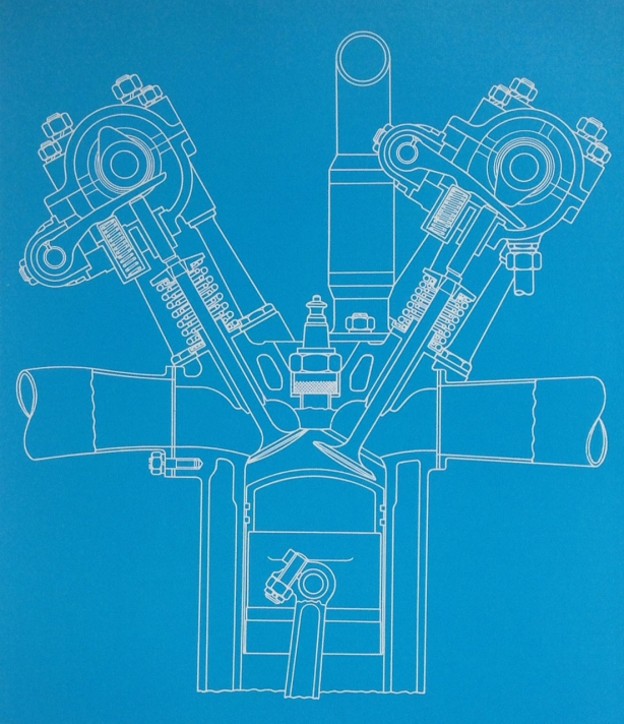
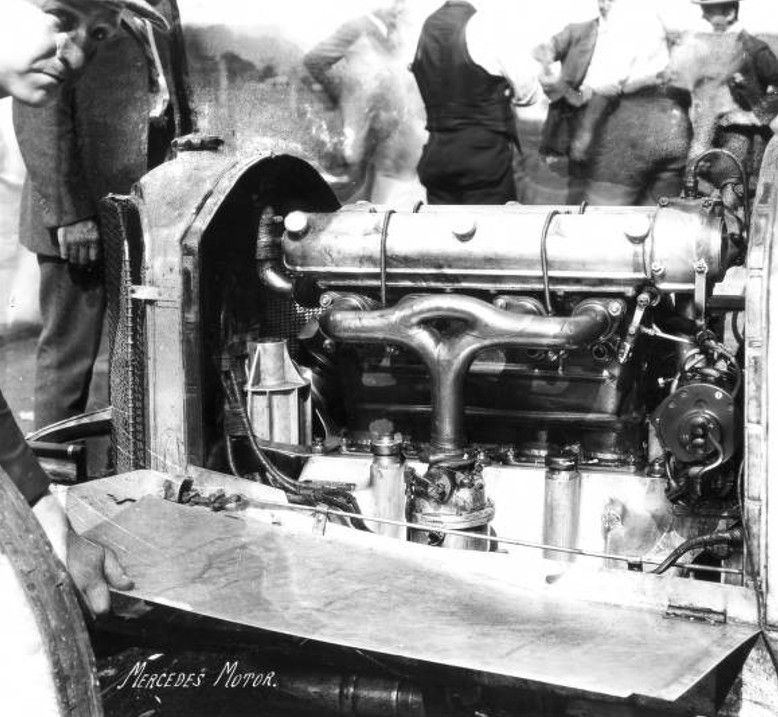
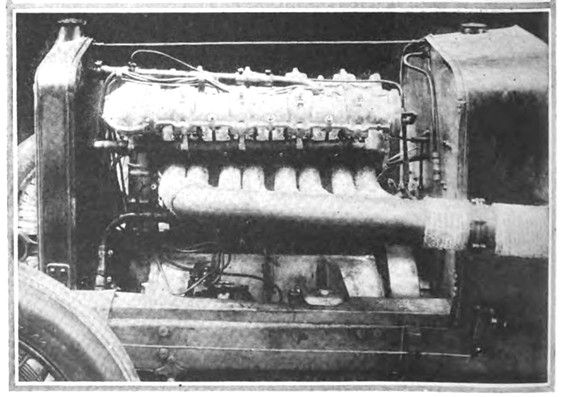
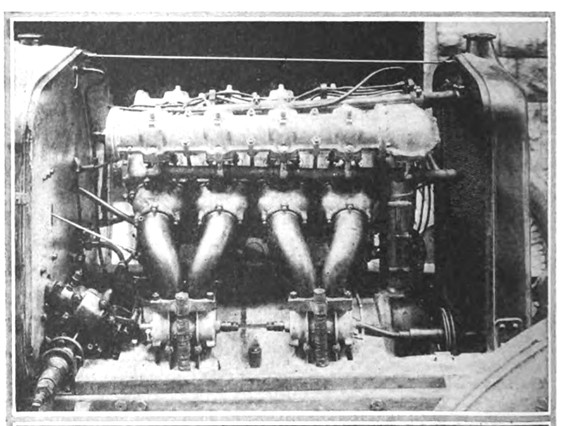
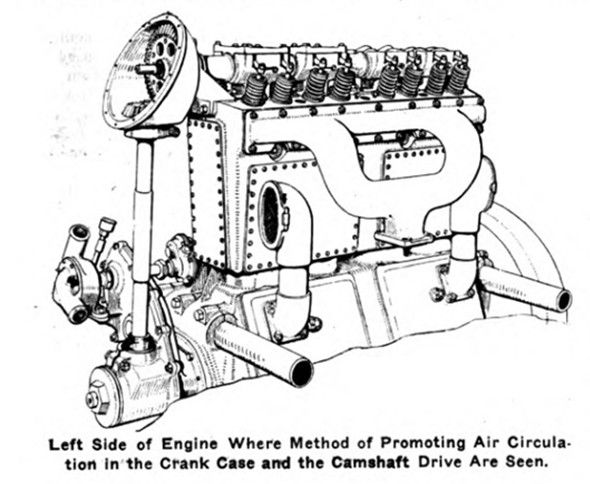
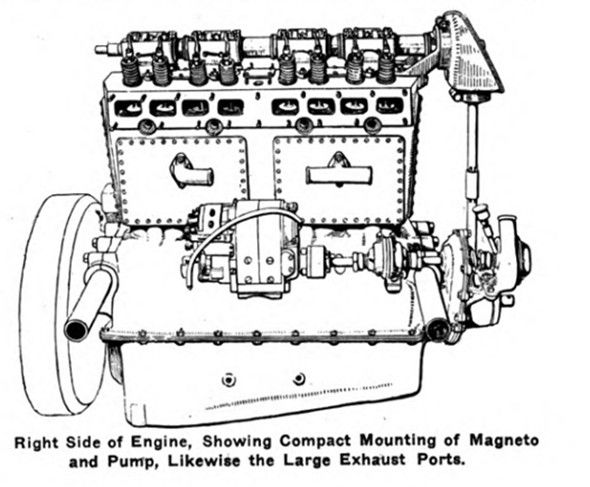
Then 1912 saw the Charlatans designed and developed Peugeot hemi-head engine with 4-valves and double-ohc. This engine proved to be the precursor for many more Grand Prix race engines in later years. This very engine lasted long, as Howdy Wilcox won with it the first post-war 1919 Indianapolis 500.
After the great war, straight-eight or 8-inline engines became popular. First the Ballot engine, designed by the „godfather“ of the Peugeot 4-valve engine: Ernest Henry. In America, racing engine such as the Frontenac, Duesenberg and Miller ruled the American race scene over many years.
From the mid-twenties on, low-capacity / high-speed engines were developed more and more, as overhead valves/camshaft engines were used more and more.
As a result of aeroplane egine development during the war, the post-war era whitnessed supercharging as an important and tech-setting phenomenon for race car engines.
This chapter lay-out differs from all other chapters, in that here, each technology feature will be highlighted with several magazine articles as sub-division.
* 01.12.2025 This page is under construction *
Engine Technology
1895 Pneumatic Tyres
- What of Racing? - under construction
1906 Detachable rims - Jantes amovibles
1912 Detachable metallic wheels - Wire wheels
- Introduction and comparison of wheel strength tests - GrocerJack
1912 Peugeot 4-valve dohc hemi-head Engine
- World's Greatest Racing Car - The Automobile, 26 September 1912
- Constructional Features of the Peugeot - Motor Age, 26 September 1912
- Der siegreiche Grand Prix Wagen - Allg. Automobil-Zeitung, 3 November 1912
- Der siegreiche Grand Prix Wagen, Translation - Allg. Automobil-Zeitung 1912
- Les usines G. Derihon - La Vie automobile, 15 November 1910
- French Racing Secrets Divulged by Peugeot - Motor Age,15 January 1914
- The Acme of Racing Efficiency - The Automobile,12 February 1914
1904 - 1925 Front-Wheel Drive
We start with the 1904 patent of the then-revolutionary Christie design. A 20-liter 4-cyinder engine being positioned transversely in vehicle front, crankshaft-to-wheel in-line, without a differential. In later designs, the engine became a V4, placed offset to the front wheels, and now with differential and a 2-speed (plus reverse) gearbox. After that, silence reigned. it would take until 1925, when front-wheel drive returned with the Miller Junior 8 car.
1914 Straight-8 Engine
Overhead Valves - Overhead Camshafts
- The Acme of Racing Efficiency - 12 February 1914
Light-Weight Engine Parts
can we here hve some text concerning the items, discussed under this chapter? and writing along, what does that do to this text? No new line possible. Can this text be positioned higher in the field? Aussenabstand Oben und Unten auf 0 verkürzt!!
The Automobile Journal
- The Frontenac Aluminum Racing Car - 10 July 1917
1925 Front-wheel drive
- Une Victoire Francais - under construction
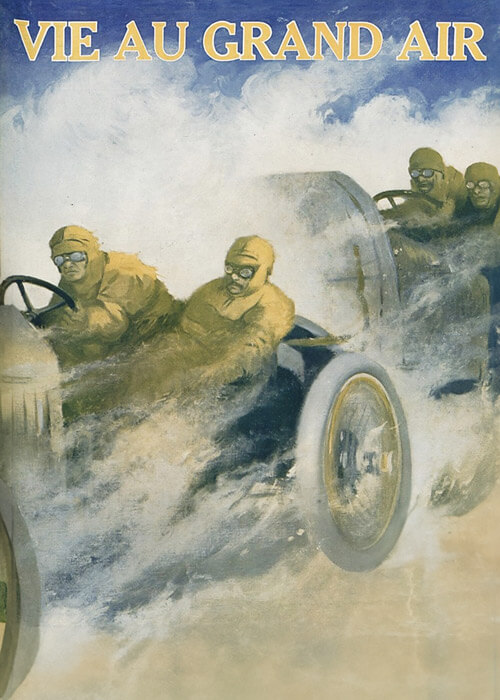
La Vie au Grand Air
- La Victoire de Goux au Grand Prix d'Indianapolis - under construction
1926 Independent Suspension
- Les usines G. Derihon - 15 November 1910
- La gagnante du Grand Prix - 31 August 1912
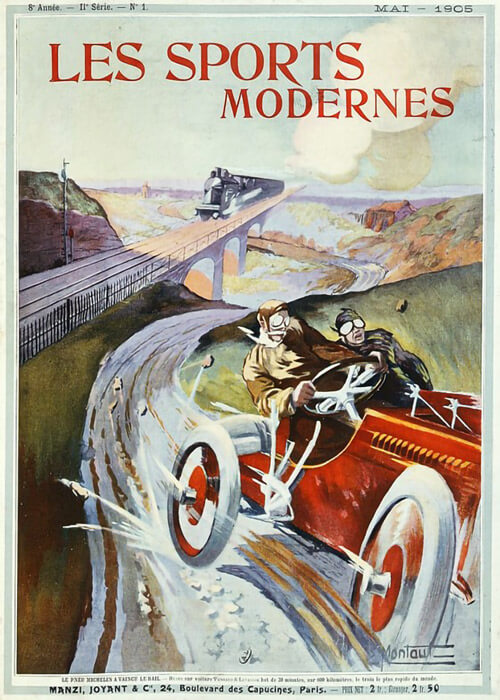
Les Sports Modernes
Le Sport Universel illustré
Le Monde illustré
La Vie illustré
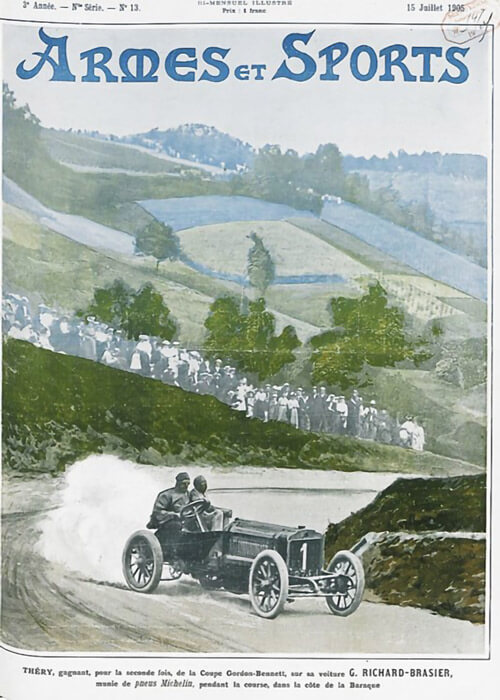
Armes et Sports
La Stampa Sportiva
L'Illustrazione italiana
Allgemeine Automobil=Zeitung
- Der siegreiche Grand Prix Wagen - 3 November 1912